EN
EN




- Overview
- Recommended Products
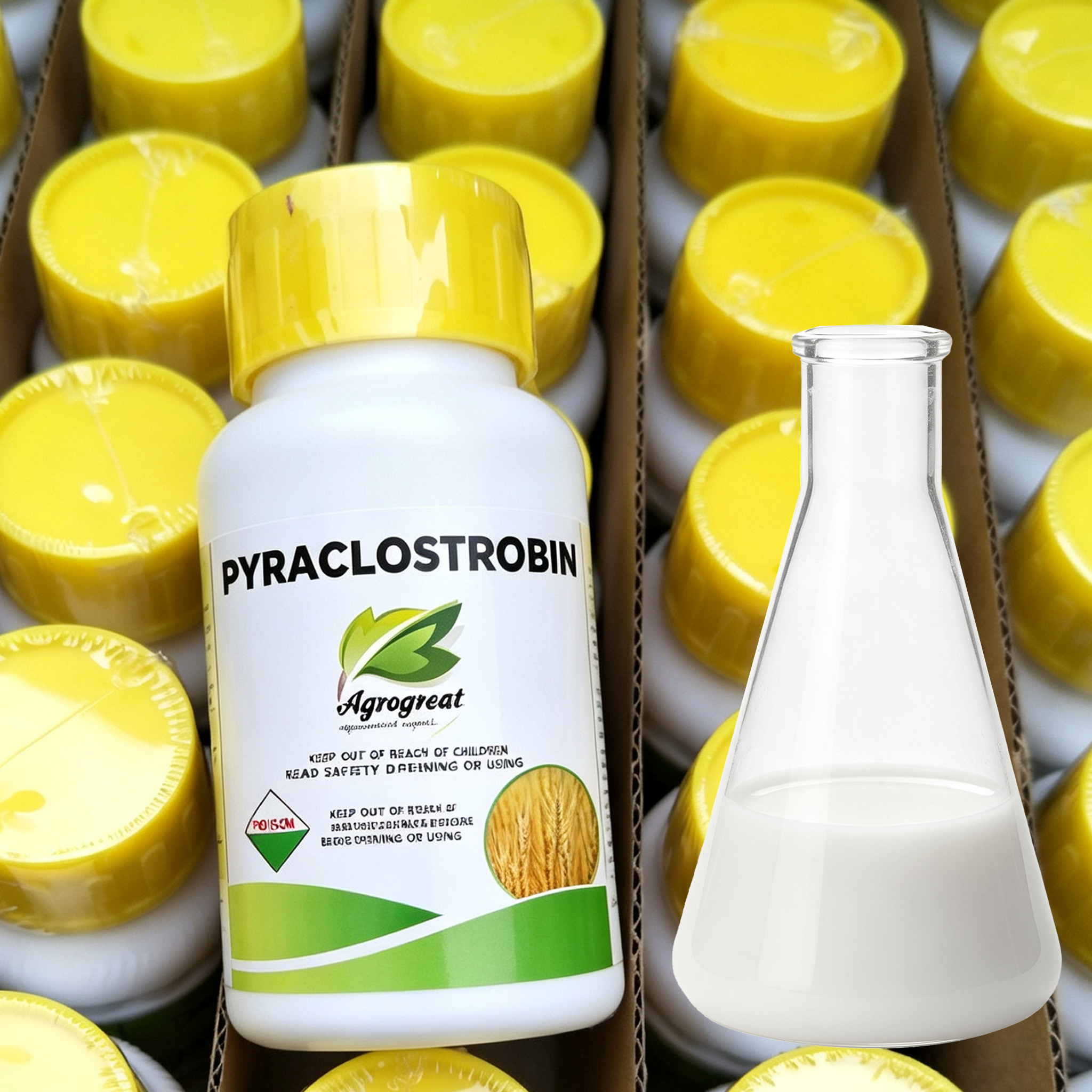
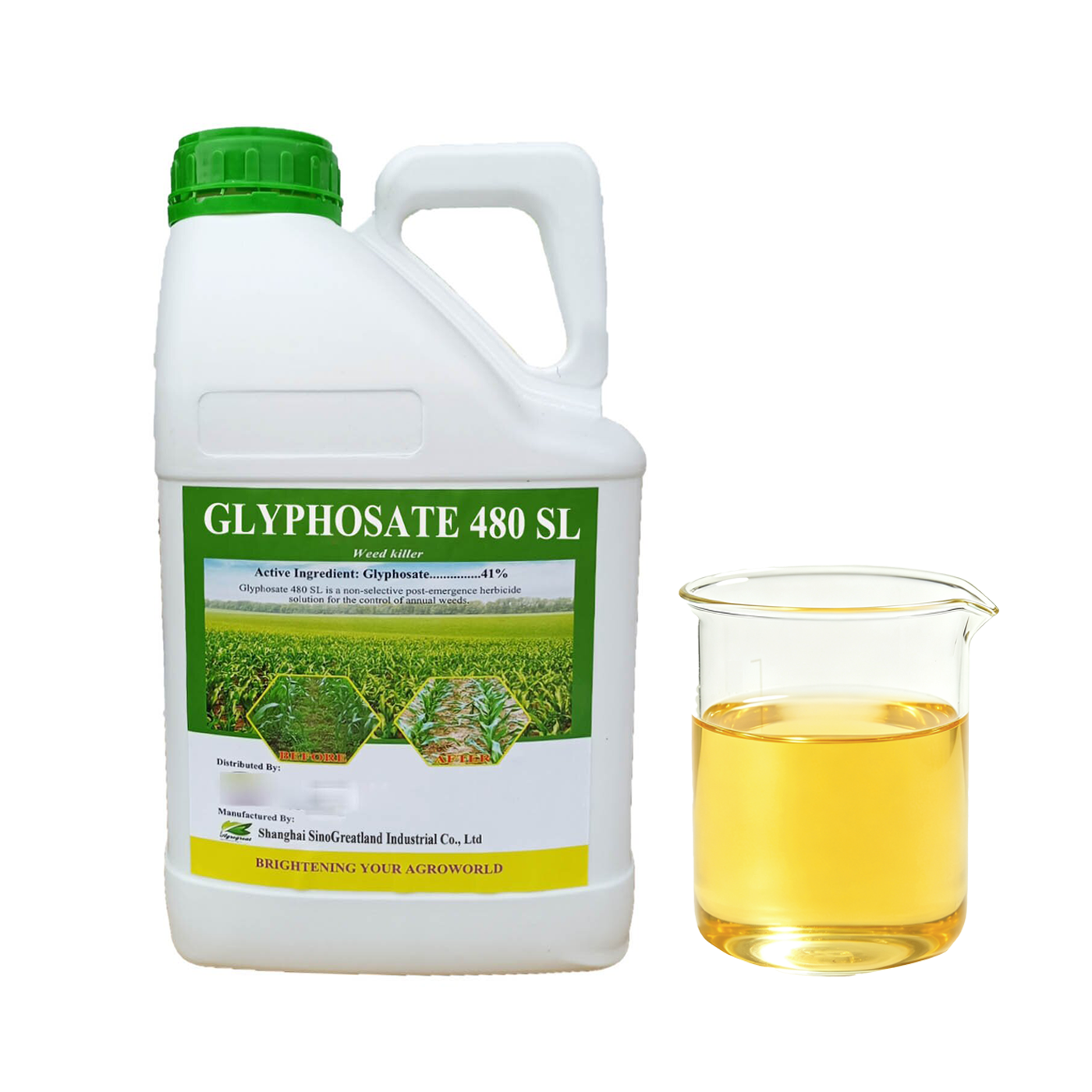
This product is a 41% glyphosate soluble liquid (SL) formulation, belonging to the organophosphorus (glycine and phosphonates) group of non-selective systemic herbicides. Glyphosate is absorbed through the foliage and translocated throughout the plant, where it inhibits the enzyme 5-enolpyruvylshikimate-3-phosphate synthase (EPSPS) in the shikimic acid pathway, blocking the biosynthesis of essential aromatic amino acids (phenylalanine, tyrosine, and tryptophan) and disrupting protein synthesis, leading to yellowing, browning, and death of weeds from the root up. It is a post-emergence herbicide with no soil residual activity.
Suitable for use in non-cropland areas (roadsides, wasteland, industrial sites), orchards (citrus, apple, pear, grape, mango), tea plantations, rubber plantations, and for pre-planting weed control in paddy fields. It is used to control a wide range of annual and perennial weeds including grasses, sedges, broadleaf weeds, and some brush species, such as bermudagrass, johnsongrass, crabgrass, goosegrass, green foxtail, redroot pigweed, lambsquarters, horseweed, nutsedge, reed, field bindweed, dandelion, and plantain. Please use according to the recommended dosage within the registered and approved areas.
| Product Name | Glyphosate 41% SL |
| Active ingredient | Glyphosate |
| Active ingredient content | 41.0% |
| Formulation | SL, Soluble Liquid |
| Product Category | Herbicide |
| Glyphosate CAS No. | 1071-83-6 |
| Main Uses | Non-selective, systemic post-emergence herbicide for control of annual and perennial weeds in non-crop and selected crop areas |
| Targeted Pests and Diseases | Major weeds: Annual and perennial grasses (Bermudagrass, Johnsongrass, crabgrass, goosegrass, green foxtail), sedges (nutsedge), broadleaf weeds (redroot pigweed, lambsquarters, horseweed, field bindweed, dandelion, plantain, shepherd's purse, common purslane), and some brush species. Acts by contact absorption through foliage with rapid translocation to underground roots and rhizomes. |
| Minimum Order Quantity | 1000L |
| Bulk packing | 1000L IBC drum, 200L drum, 20L drum |
| Small packing | 5L drum & 4drums/carton; 1L, 500ml, 250ml, 200ml, 100ml, 50ml bottle, 10L/carton |
| Documentation Support | ICAMA, COA, MSDS, TDS, Product Specifications,Packaging Information,etc. |
| Sample Service | Free for 200ml |
| Place of origin | China |
| Supplier | Agrogreat |
| Customized Services | bottle,label,bag, carton, logo Brand Customized |
Key Functions
Glyphosate is a broad-spectrum, non-selective systemic herbicide discovered by Monsanto and first commercialized in 1974 under the trade name Roundup. It is the most widely used herbicide in the world, applied in agriculture, forestry, lawns, gardens, and industrial areas. Glyphosate inhibits the enzyme 5-enolpyruvylshikimate-3-phosphate synthase (EPSPS) in the shikimic acid pathway, which is essential for the biosynthesis of aromatic amino acids (phenylalanine, tyrosine, and tryptophan) in plants and microorganisms. Inhibition of EPSPS leads to the accumulation of shikimic acid, disruption of protein synthesis, and ultimately plant death. This mechanism of action is classified as HRAC Group 9 (formerly Group G) — Inhibition of EPSP synthase. Glyphosate is absorbed primarily through the foliage and rapidly translocated throughout the plant via the phloem, reaching underground roots and rhizomes, providing complete eradication rather than just surface knockdown. It is a non-selective herbicide, effective against a very broad spectrum of annual and perennial grasses, sedges, broadleaf weeds, and some brush species. Glyphosate has no soil residual activity — it is rapidly inactivated upon contact with soil colloids and does not affect subsequent crop planting, making it suitable for no-tillage and conservation farming systems. It is low in mammalian toxicity and is generally considered environmentally friendly compared to many older herbicides. However, appropriate precautions should be taken to avoid drift to desirable vegetation and to protect non-target organisms.
Key Benefits
1. Broad-spectrum, non-selective weed control — highly effective against a massive variety of annual and perennial grasses, sedges, broadleaf weeds, and woody shrubs, including hard-to-kill species such as bermudagrass, johnsongrass, nutsedge, and field bindweed.
2. Complete root-level kill — systemic action ensures glyphosate is absorbed by foliage and translocated down to the deepest root networks and underground rhizomes, ensuring weeds do not regrow.
3. Wide range of application, suitable for non-cropland areas (roadsides, wasteland, industrial sites), orchards (citrus, apple, pear, grape, mango), tea plantations, rubber plantations, and pre-planting weed control in paddy fields.
4. Unique mode of action — EPSP synthase inhibitor (HRAC Group 9), with no cross-resistance to other herbicide groups; suitable for Herbicide Resistance Management (HRM) and rotation programs.
5. No soil residual activity — rapidly inactivated upon contact with soil colloids, does not pollute soil, and does not affect the planting of subsequent crops; environmentally friendly and suitable for no-tillage, less-tillage, and conservation farming systems.
6. Fast and visible action — noticeable yellowing and wilting of weeds within 7–10 days after application; complete death follows as the plant starves from lack of essential amino acids.
7. Rainfast — once absorbed into the plant tissue, glyphosate is not easily washed off by rain; superior formulations lock into the plant quickly after application.
8. Soluble liquid (SL) formulation — good stability, easy to measure and mix, suitable for foliar spray application with conventional equipment.
9. Easily biodegradable and non-volatile in nature; no residual effect, safe for beneficial insects and the environment when used as directed.
10. Compatible with other herbicides and integrated weed management (IWM) programs for synergistic blending and enhanced efficacy.
●The actual applicable crops and control spectrum shall strictly comply with the provisions of the locally registered label.
●The actual use instructions, crop range, diseases, application rates, and conditions of use are subject to the label.
●Do not apply to crops or diseases not specified on the local label.
| Applicable Crops | Targeted Diseases/Pests |
| Non-cropland (roadsides, wasteland, industrial sites) | Barnyard grass, crabgrass, goosegrass, green foxtail, redroot pigweed, lambsquarters, horseweed, nutsedge |
| Orchards (citrus, apple, pear, grape) | Bermudagrass, johnsongrass, reed, field bindweed, dandelion, plantain |
| Tea plantation | Axonopus compressus, Cynodon dactylon, Imperata cylindrica, Polygonum perfoliatum, Paspalum scrobiculatum, Arundinella bengalensis, Kalm grass |
| Rubber plantation | Broadleaf weeds: shepherd's purse, common purslane |
| Paddy (strictly pre-planting) | Aquatic and semi-aquatic weeds: Echinochloa crusgalli, Cyperus iria |