EN
EN




- Overview
- Recommended Products
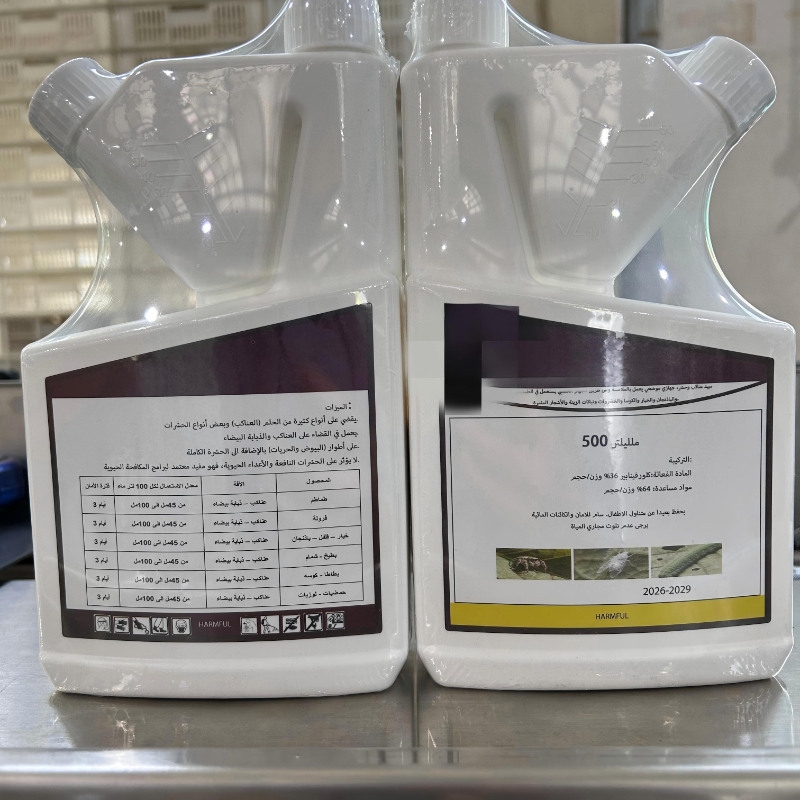
This product is a 360 g/L chlorfenapyr suspension concentrate (SC) formulation, belonging to the arylpyrrole class of broad-spectrum insecticide-acaricides. Chlorfenapyr is a pro-insecticide that is activated by multifunctional oxidases (mixed-function oxidases) within the insect body to form a toxic metabolite (tralopyril), which acts as an uncoupler of oxidative phosphorylation in mitochondria, disrupting the proton gradient and blocking ADP-to-ATP conversion, leading to cellular energy depletion and death. It exhibits contact and stomach action with good translaminar activity but limited systemic properties, providing rapid knockdown and long-lasting residual control.
Suitable for various crops such as cruciferous vegetables (cabbage, Chinese cabbage, broccoli, kale), cucumber, eggplant, pepper, tomato, apple, pear, citrus, tea, cotton, and ornamental plants (rose, chrysanthemum). It is used to control a wide range of insect pests and mites including diamondback moth, beet armyworm, tobacco cutworm, thrips, leafminers, aphids, and spider mites. Please use according to the recommended dosage within the registered and approved areas.
| Product Name | Chlorfenapyr 360 g/L SC |
| Active ingredient | Chlorfenapyr |
| Active ingredient content | 360 g/L |
| Formulation | SC, Suspension Concentrate |
| Product Category | Insecticide |
| Chlorfenapyr CAS No. | 122453-73-0 |
| Main Uses | Broad-spectrum non-systemic arylpyrrole insecticide-acaricide with contact and stomach action for control of resistant lepidopteran pests, thrips, leafminers, and phytophagous mites in a wide range of crops |
| Targeted Pests and Diseases | Major insect pests and mites: Diamondback moth (Plutella xylostella), beet armyworm (Spodoptera exigua), tobacco cutworm (Spodoptera litura), cotton bollworm (Helicoverpa armigera), rice leaf roller (Cnaphalocrocis medinalis), thrips (Thrips spp., Frankliniella occidentalis), leafminers (Liriomyza spp.), aphids, two-spotted spider mite (Tetranychus urticae), red spider mite, citrus red mite, and other resistant pests. Active on all developmental stages with rapid knockdown effect. |
| Minimum Order Quantity | 1000L |
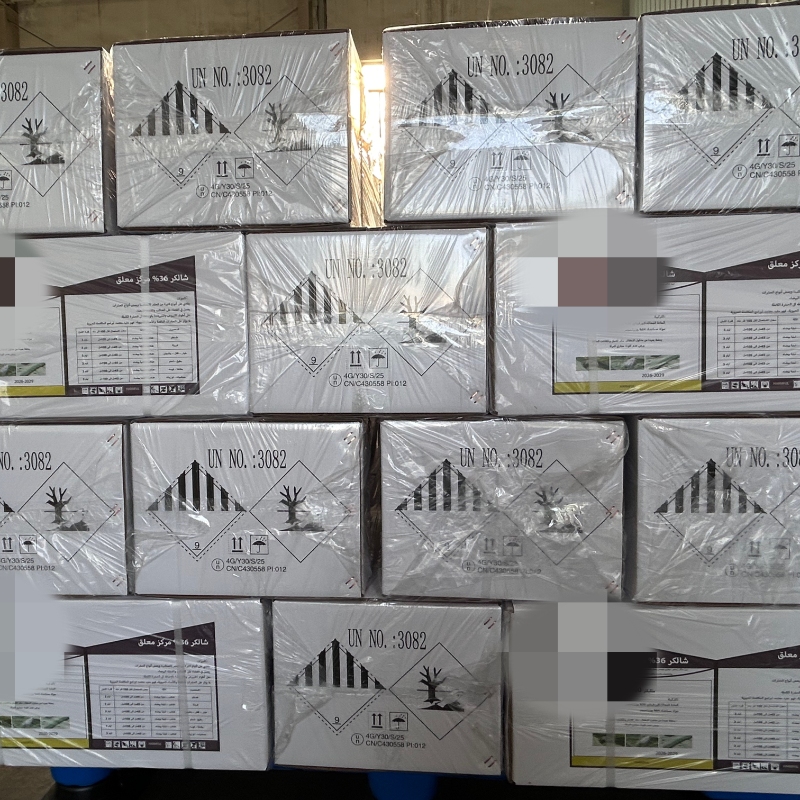
| Bulk packing | 1000L IBC drum, 200L drum, 20L drum |
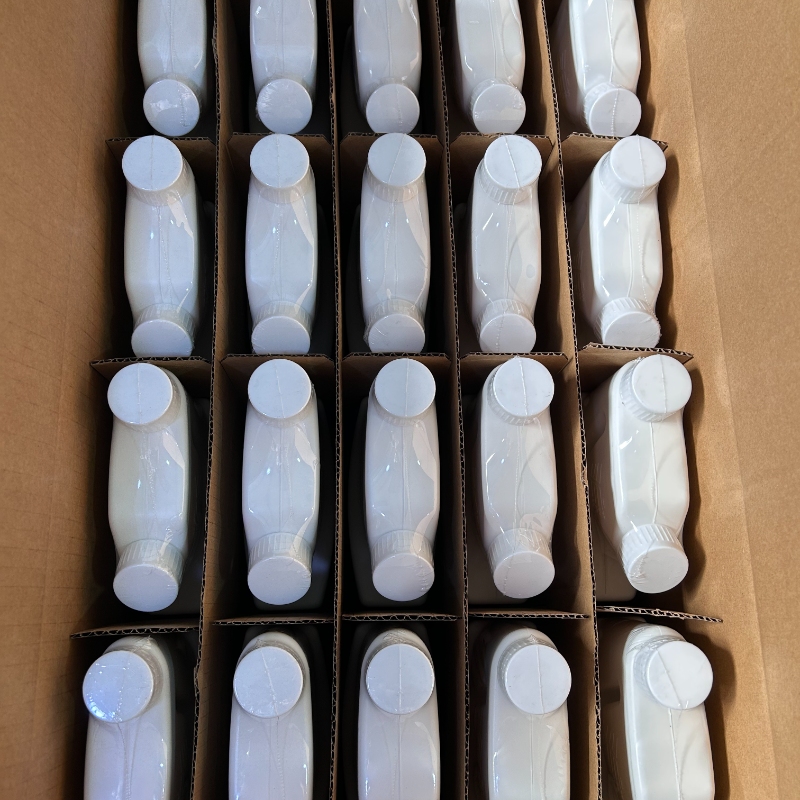
| Small packing | 5L drum & 4drums/carton; 1L, 500ml, 250ml, 200ml, 100ml, 50ml bottle, 10L/carton |
| Documentation Support | ICAMA, COA, MSDS, TDS, Product Specifications,Packaging Information,etc. |
| Sample Service | Free for 200ml |
| Place of origin | China |
| Supplier | Agrogreat |
| Customized Services | bottle,label,bag, carton, logo Brand Customized |
Key Functions
Chlorfenapyr is a synthetic arylpyrrole insecticide-acaricide developed by American Cyanamid (now BASF) in the 1980s. It is a pro-insecticide, meaning that the parent compound itself has limited biological activity and must be bioactivated within the target organism. Upon entering the insect body, chlorfenapyr undergoes N-dealkylation by multifunctional oxidases (mixed-function oxidases, MFOs) to generate the active metabolite tralopyril (AC 303268), which is a potent uncoupler of oxidative phosphorylation. Tralopyril disrupts the hydrogen proton gradient across the inner mitochondrial membrane, uncoupling electron transport from ATP synthesis, thereby blocking the conversion of ADP to ATP and causing cellular energy depletion, metabolic disruption, and ultimately death. This unique mechanism of action is classified as IRAC Group 13 (Uncouplers of oxidative phosphorylation via disruption of the proton gradient). Chlorfenapyr is a non-systemic insecticide-acaricide with predominantly stomach and contact action. It exhibits good translaminar activity, allowing it to penetrate leaf tissue and control pests on the underside of leaves, but has very limited systemic activity. The compound has a unique mode of action with no cross-resistance to carbamate, organophosphate, pyrethroid, or other conventional insecticides, making it an excellent tool for Insect Resistance Management (IRM) and rotation programs. Chlorfenapyr provides rapid knockdown — pests stop feeding within 0–4 hours after exposure — and prolonged residual control. It is highly effective against resistant populations of diamondback moth, beet armyworm, tobacco cutworm, thrips, leafminers, and spider mites. Chlorfenapyr is toxic to fish and aquatic invertebrates and highly toxic to honeybees; appropriate precautions must be taken during application to minimize non-target exposure.
Key Benefits
1. Broad-spectrum insecticidal and acaricidal activity effectively controlling a wide range of resistant pests, including diamondback moth, beet armyworm, tobacco cutworm, cotton bollworm, rice leaf roller, thrips, leafminers, aphids, and phytophagous mites such as two-spotted spider mite and red spider mite.
2. Wide range of application, suitable for cruciferous vegetables (cabbage, Chinese cabbage, broccoli, kale), cucumber, eggplant, pepper, tomato, apple, pear, citrus, tea, cotton, and ornamental plants (rose, chrysanthemum).
3. Unique mode of action — mitochondrial oxidative phosphorylation uncoupler (IRAC Group 13) with no cross-resistance to carbamates, organophosphates, pyrethroids, or other conventional insecticides, ideal for Insect Resistance Management (IRM) and rotation programs.
4. Pro-insecticide with selective activation — chlorfenapyr is activated by multifunctional oxidases within the insect body, which contributes to its selectivity and compatibility with Integrated Pest Management (IPM) programs.
5. Rapid knockdown effect — pests stop feeding within 0–4 hours after exposure, with significant mortality achieved shortly thereafter.
6. Long-lasting residual activity — provides prolonged protection on treated crops, reducing the number of applications required per season.
7. Good translaminar activity — penetrates leaf tissue to control pests on the underside of leaves, where many pests feed and shelter.
8. Suspension concentrate (SC) formulation — good stability, easy to measure and mix, suitable for foliar spray application with conventional equipment.
9. Effective against resistant pest populations — particularly valuable where conventional insecticides have failed due to resistance development.
10. Compatible with other insecticides such as abamectin, spirodiclofen, emamectin benzoate, and indoxacarb for synergistic blending and enhanced efficacy.
●The actual applicable crops and control spectrum shall strictly comply with the provisions of the locally registered label.
●The actual use instructions, crop range, diseases, application rates, and conditions of use are subject to the label.
●Do not apply to crops or diseases not specified on the local label.
| Applicable Crops | Targeted Diseases/Pests |
| Cabbage / Crucifers | Diamondback moth (Plutella xylostella), beet armyworm (Spodoptera exigua), cabbage worm, aphids |
| Cucumber | Tobacco cutworm (Spodoptera litura), thrips |
| Eggplant | Red spider mite (Tetranychus cinnabarinus), thrips |
| Apple | Apple leaf miner (Lithocolletis ringoniella), red spider mite |
| Pear | Pear psyllid (Psylla spp.), red spider mite |
| Tea | Tea green leafhopper (Empoasca vitis), thrips |