EN
EN




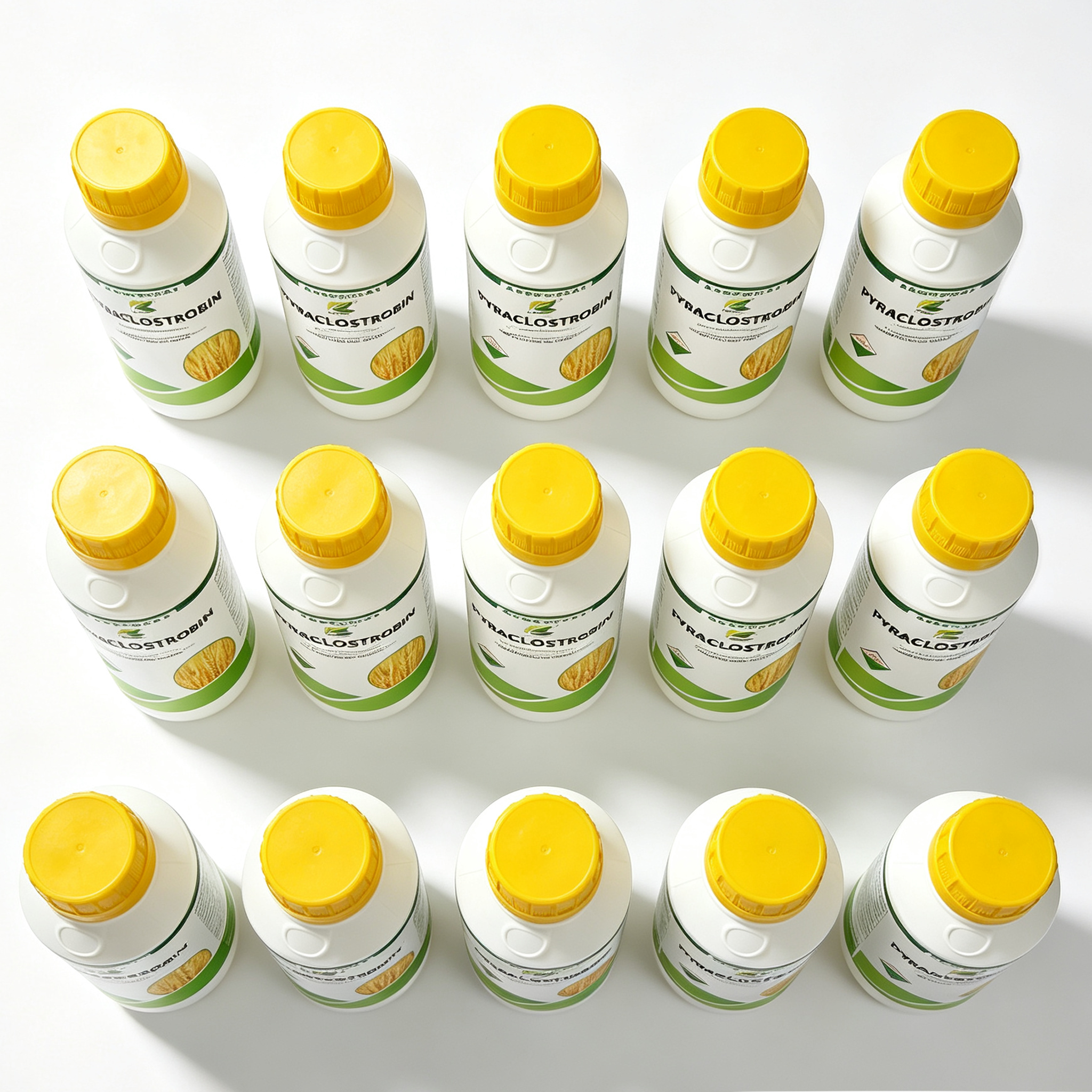
- Overview
- Recommended Products
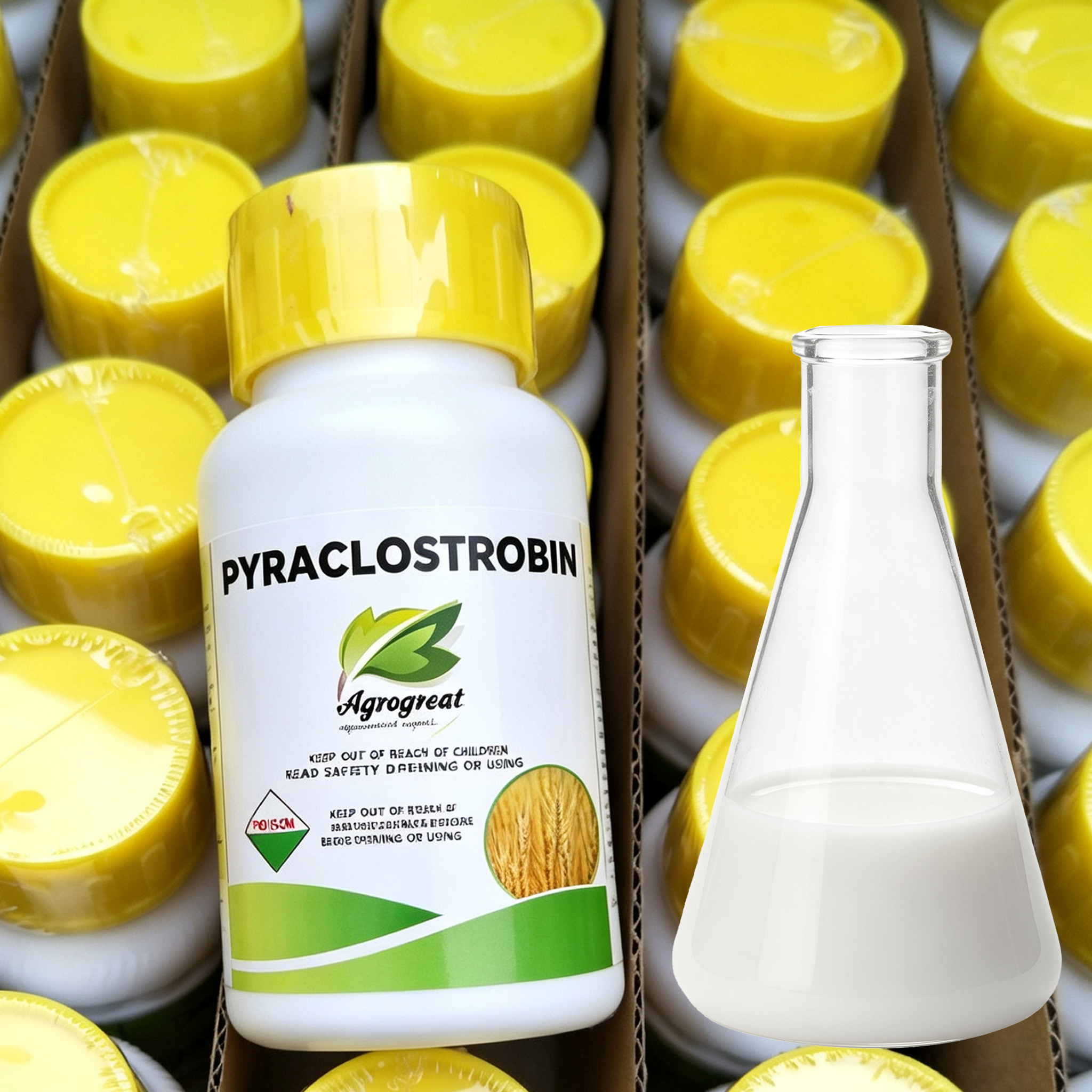
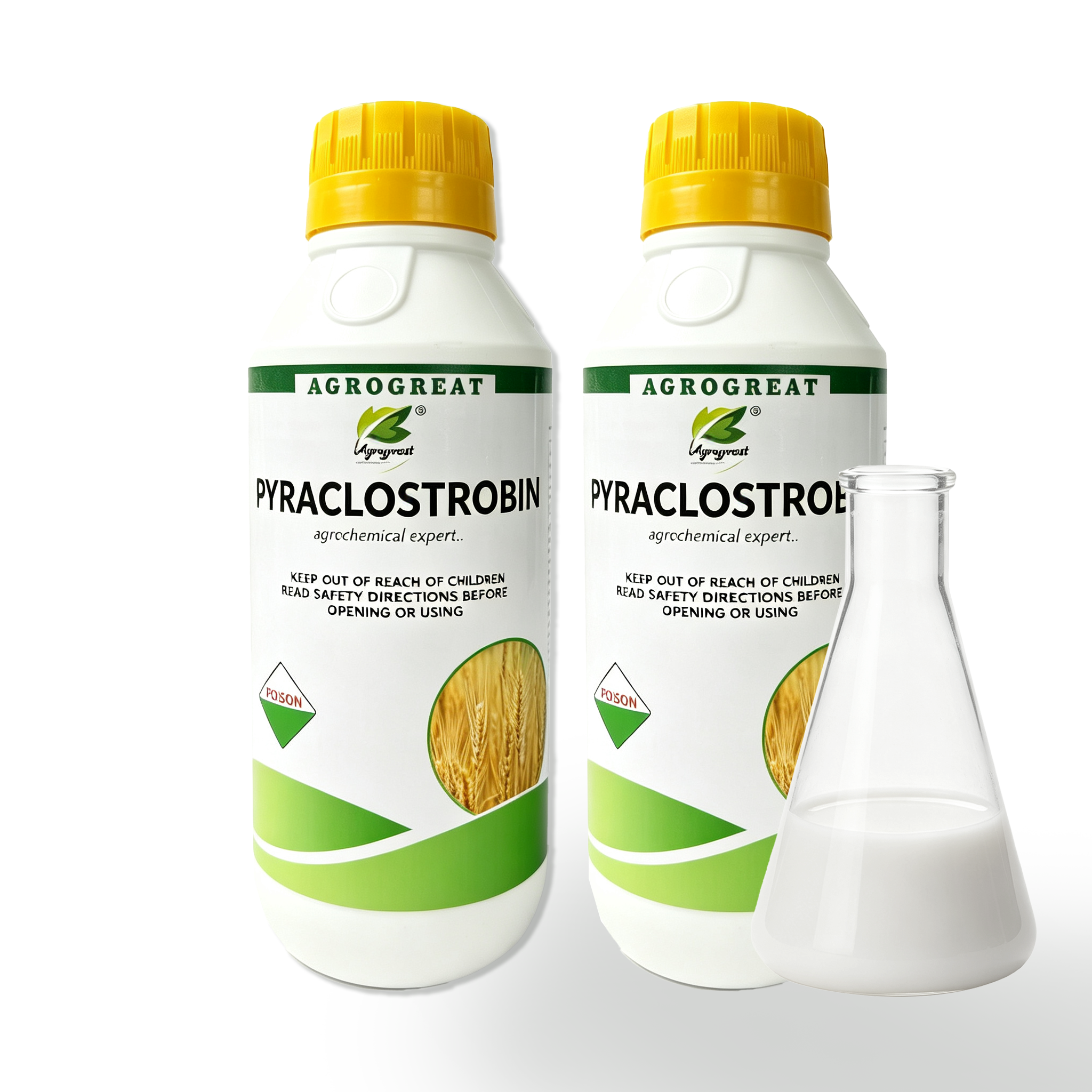
This product is a 250 g/L pyraclostrobin suspension concentrate (SC) formulation, belonging to the strobilurin chemical class of broad-spectrum fungicides. Pyraclostrobin is a quinone outside inhibitor (QoI) that acts by blocking electron transfer at the Qo site of the cytochrome bc1 complex (Complex III) in the mitochondrial respiratory chain, thereby inhibiting ATP synthesis and disrupting essential cellular processes in fungal pathogens. It exhibits protective, curative, eradicative, translaminar, and locosystemic properties, inhibiting spore germination and mycelial growth with strong antisporulant activity.
Suitable for various crops such as cereals (wheat, barley, oats, triticale), maize, rice, soybean, peanut, grape, cucumber, tomato, potato, banana, citrus, apple, tea, coffee, turf, and ornamental plants. It is used to control a wide range of fungal diseases including powdery mildew, downy mildew, leaf rust, Septoria leaf blotch, net blotch, anthracnose, early blight, late blight, rice blast, sheath blight, banana freckle, and citrus scab. Please use according to the recommended dosage within the registered and approved areas.
| Product Name | Pyraclostrobin 250 g/L SC |
| Active ingredient | Pyraclostrobin |
| Active ingredient content | 250 g/L |
| Formulation | SC, Suspension Concentrate |
| Product Category | Fungicide |
| Pyraclostrobin CAS No. | 175013-18-0 |
| Main Uses | Broad-spectrum strobilurin (QoI) fungicide with protective, curative, eradicative, translaminar, and locosystemic properties for control of major fungal pathogens in cereals, oilseeds, fruits, vegetables, and turf. Also exhibits plant health benefits including delayed senescence (stay-green effect), enhanced nitrogen uptake, and improved tolerance to biotic and abiotic stress. |
| Targeted Pests and Diseases | Major fungal diseases: Powdery mildew (Erysiphe graminis, Erysiphe necator, Sphaerotheca fuliginea), downy mildew (Plasmopara viticola, Pseudoperonospora cubensis), leaf rust (Puccinia spp.), Septoria leaf blotch (Septoria tritici), net blotch (Pyrenophora teres), rice blast (Pyricularia oryzae), sheath blight (Rhizoctonia solani), early blight (Alternaria solani), late blight (Phytophthora infestans), anthracnose (Colletotrichum spp.), banana freckle (Phyllosticta spp.), citrus scab (Elsinoë fawcettii), and Asian soybean rust (Phakopsora pachyrhizi). |
| Minimum Order Quantity | 1000L |
| Bulk packing | 1000L IBC drum, 200L drum, 20L drum |
| Small packing | 5L drum & 4drums/carton; 1L, 500ml, 250ml, 200ml, 100ml, 50ml bottle, 10L/carton |
| Documentation Support | ICAMA, COA, MSDS, TDS, Product Specifications,Packaging Information,etc. |
| Sample Service | Free for 200ml |
| Place of origin | China |
| Supplier | Agrogreat |
| Customized Services | bottle,label,bag, carton, logo Brand Customized |
Key Functions
Pyraclostrobin is a synthetic strobilurin fungicide developed by BASF, first registered in 2000. It is a quinone outside inhibitor (QoI), classified as FRAC Group 11 (Mode of Action: mitochondrial complex III electron transport inhibitors — Qo site). The compound acts by binding to the Qo site of the cytochrome bc1 complex (ubiquinol oxidase) in the mitochondrial respiratory chain, thereby blocking electron transfer between cytochrome b and cytochrome c1. This inhibition prevents the proton gradient from being established across the inner mitochondrial membrane, disrupting the conversion of ADP to ATP and causing a severe reduction in energy-rich ATP available to support essential cellular processes in fungal pathogens, ultimately leading to cessation of fungal growth and cell death. Pyraclostrobin has a single-site mode of action and is associated with a high risk of resistance development. It is a broad-spectrum fungicide controlling major plant pathogens from the ascomycete, basidiomycete, deuteromycete, and oomycete classes of fungi. The product exhibits protective, curative, eradicative, translaminar, and locosystemic properties. It inhibits spore germination and mycelial growth, and also shows antisporulant activity, reducing the ability of the pathogen to produce new spores and thereby limiting secondary infection. Pyraclostrobin is readily absorbed by the leaf surface and redistributed via translaminar movement, providing rapid and uniform coverage of both sides of the leaf and ensuring reliable disease control. Beyond its direct fungicidal activity, pyraclostrobin is well documented to possess plant health benefits. It can delay crop senescence (the “stay-green effect”), improve nitrate (nitrification) reductase activity, enhance nitrogen uptake during rapid growth stages, increase chlorophyll and protein content, promote plant growth, and enhance overall immunity and tolerance to biotic and abiotic stress, including drought and temperature stress. These physiological effects contribute to improved yield and crop quality, making pyraclostrobin a valuable tool not only for disease control but also for integrated crop management programs. Pyraclostrobin is toxic to aquatic life with long-lasting effects. It is highly toxic to honeybees (acute oral LD50 of 8.85 μg/bee) and other pollinators, and appropriate precautions must be taken during application to minimize non-target exposure.
Key Benefits
1. Broad-spectrum fungicidal activity effectively controlling a wide range of major fungal pathogens, including powdery mildew, downy mildew, leaf rust, Septoria leaf blotch, net blotch, rice blast, sheath blight, early blight, late blight, anthracnose, banana freckle, citrus scab, and Asian soybean rust.
2. Wide range of application, suitable for cereals (wheat, barley, oats, triticale), maize, rice, soybean, peanut, grape, cucumber, tomato, potato, banana, citrus, apple, tea, coffee, turf, and ornamental plants.
3. Unique mode of action — quinone outside inhibitor (QoI), classified as FRAC Group 11, inhibiting mitochondrial respiration at the cytochrome bc1 complex (Complex III), blocking ATP synthesis and causing fungal cell death.
4. Multi-action properties — protective, curative, eradicative, translaminar, and locosystemic activity, inhibiting spore germination, mycelial growth, and sporulation for comprehensive disease control.
5. Plant health benefits — documented “stay-green effect” delaying senescence, enhanced nitrate reductase activity and nitrogen uptake, increased chlorophyll and protein content, improved tolerance to biotic and abiotic stress, and higher yields.
6. Rapid and uniform coverage — translaminar movement ensures penetration of leaf tissue to control pathogens on both sides of the leaf, providing reliable protection even on the underside where many pathogens infect.
7. Antisporulant activity — reduces the ability of pathogens to produce new spores, limiting secondary infection and reducing disease spread within the crop.
8. Suspension concentrate (SC) formulation — good stability, easy to measure and mix, suitable for foliar spray application with conventional equipment.
9. Long-lasting residual activity — provides prolonged protection on treated crops, reducing the number of applications required per season.
10. High risk of resistance development — the product should be used in mixture or alternation with fungicides of different mode-of-action groups to maintain effective disease control and manage resistance development.
11. Compatible with other fungicides such as fluxapyroxad, boscalid, difenoconazole, and epoxiconazole for synergistic blending and enhanced efficacy.
●The actual applicable crops and control spectrum shall strictly comply with the provisions of the locally registered label.
●The actual use instructions, crop range, diseases, application rates, and conditions of use are subject to the label.
●Do not apply to crops or diseases not specified on the local label.
| Applicable Crops | Targeted Diseases/Pests |
| Wheat / Barley / Oats | Leaf rust (Puccinia recondita), Septoria leaf blotch (Septoria tritici), tan spot (Pyrenophora tritici-repentis), net blotch (Pyrenophora teres), scald (Rhynchosporium secalis), powdery mildew (Erysiphe graminis), spot blotch (Cochliobolus sativus), stripe rust (Puccinia striiformis) |
| Maize | Common rust (Puccinia sorghi), gray leaf spot (Cercospora zeae-maydis) |
| Rice | Rice blast (Pyricularia oryzae), sheath blight (Rhizoctonia solani) |
| Soybean | Asian soybean rust (Phakopsora pachyrhizi), Septoria brown spot (Septoria glycines), frogeye leaf spot (Cercospora kikuchii) |
| Grape | Downy mildew (Plasmopara viticola), powdery mildew (Erysiphe necator / Uncinula necator) |
| Cucumber | Powdery mildew (Sphaerotheca fuliginea), downy mildew (Pseudoperonospora cubensis) |