EN
EN



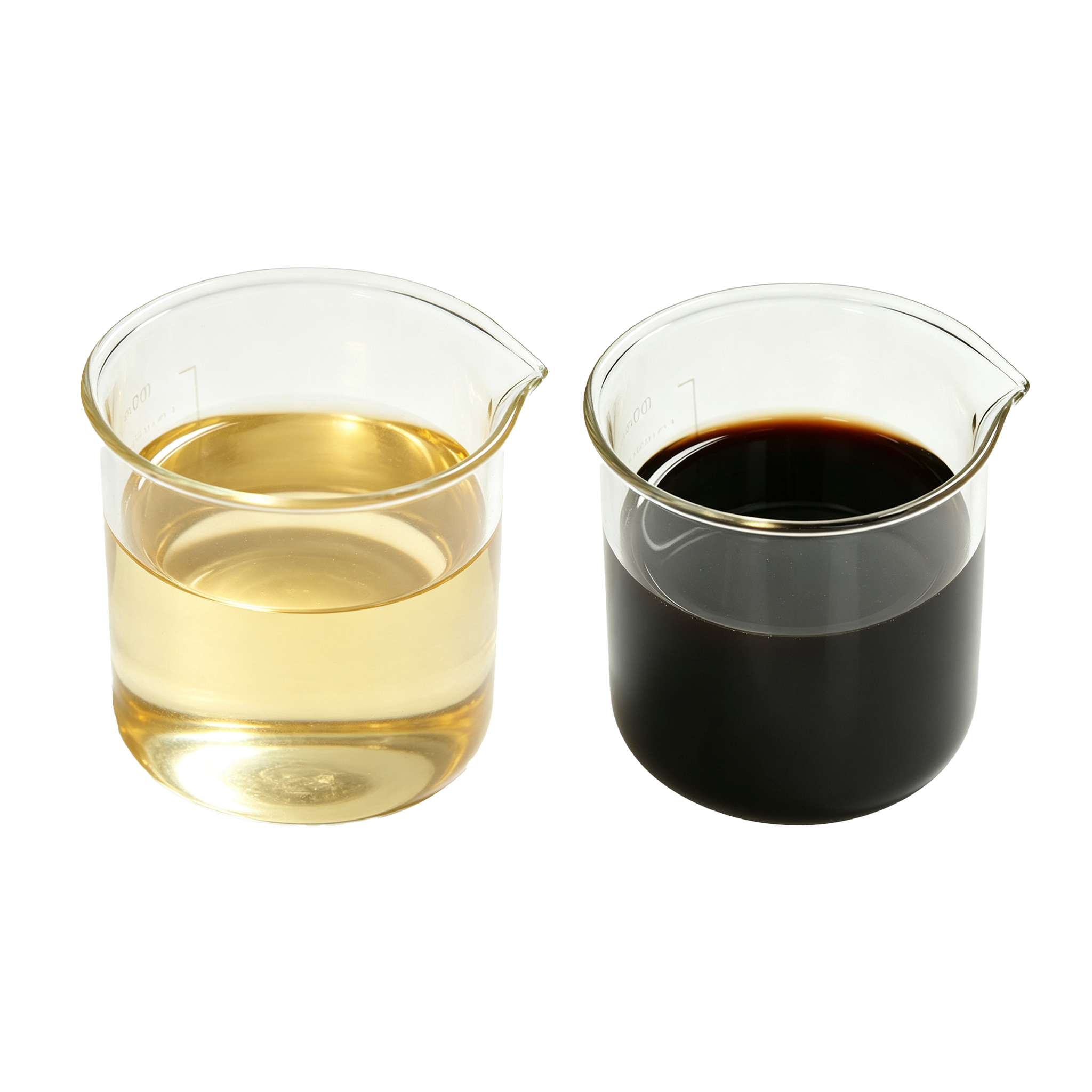
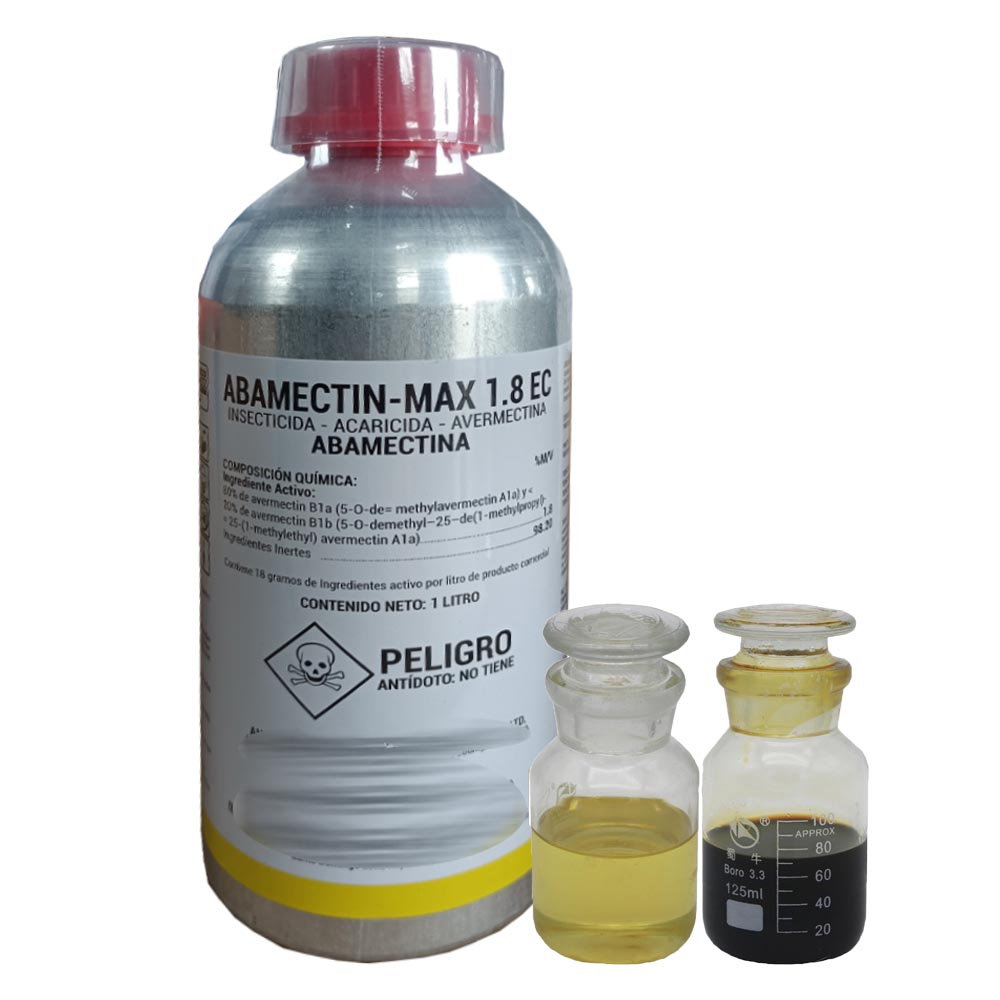
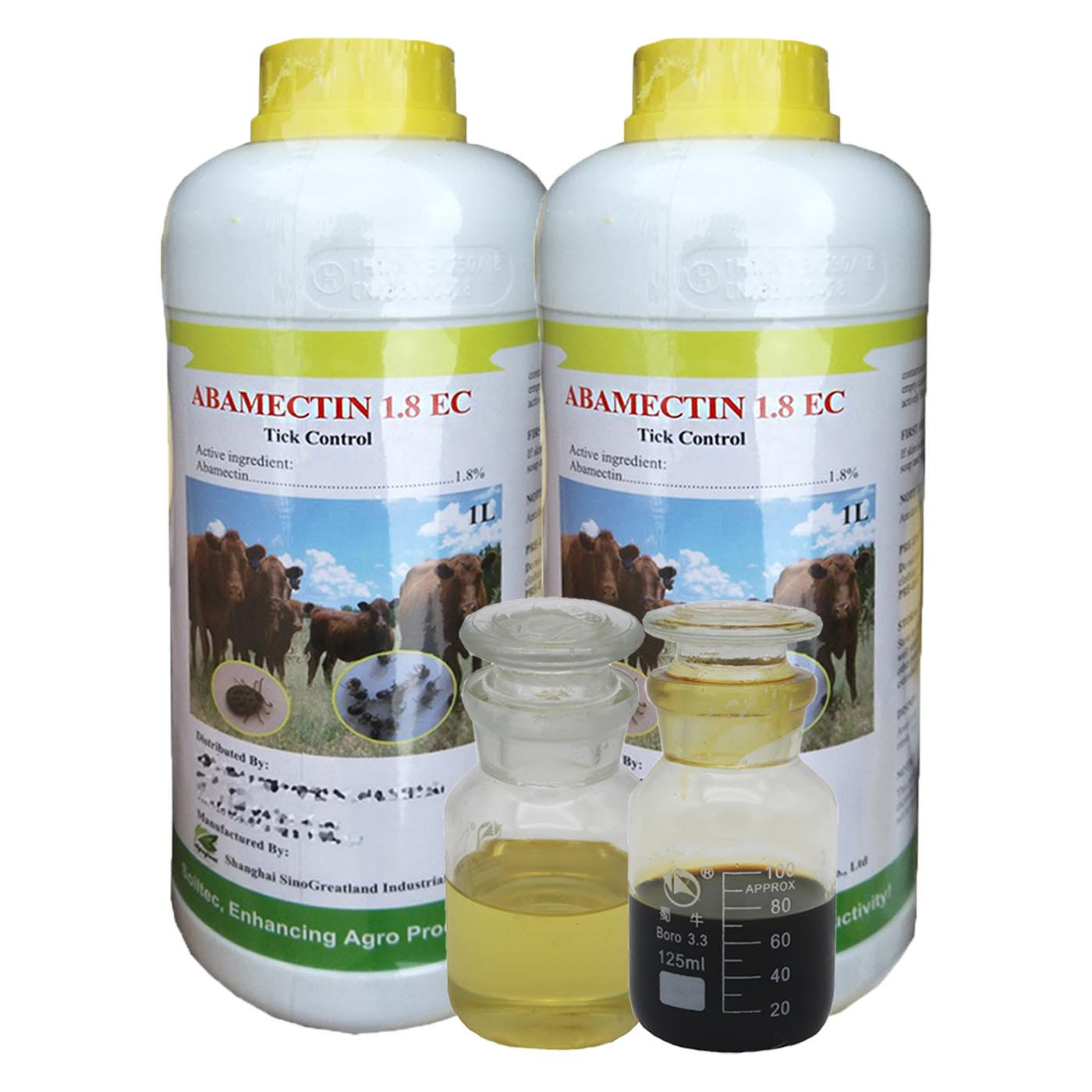
- Overview
- Recommended Products
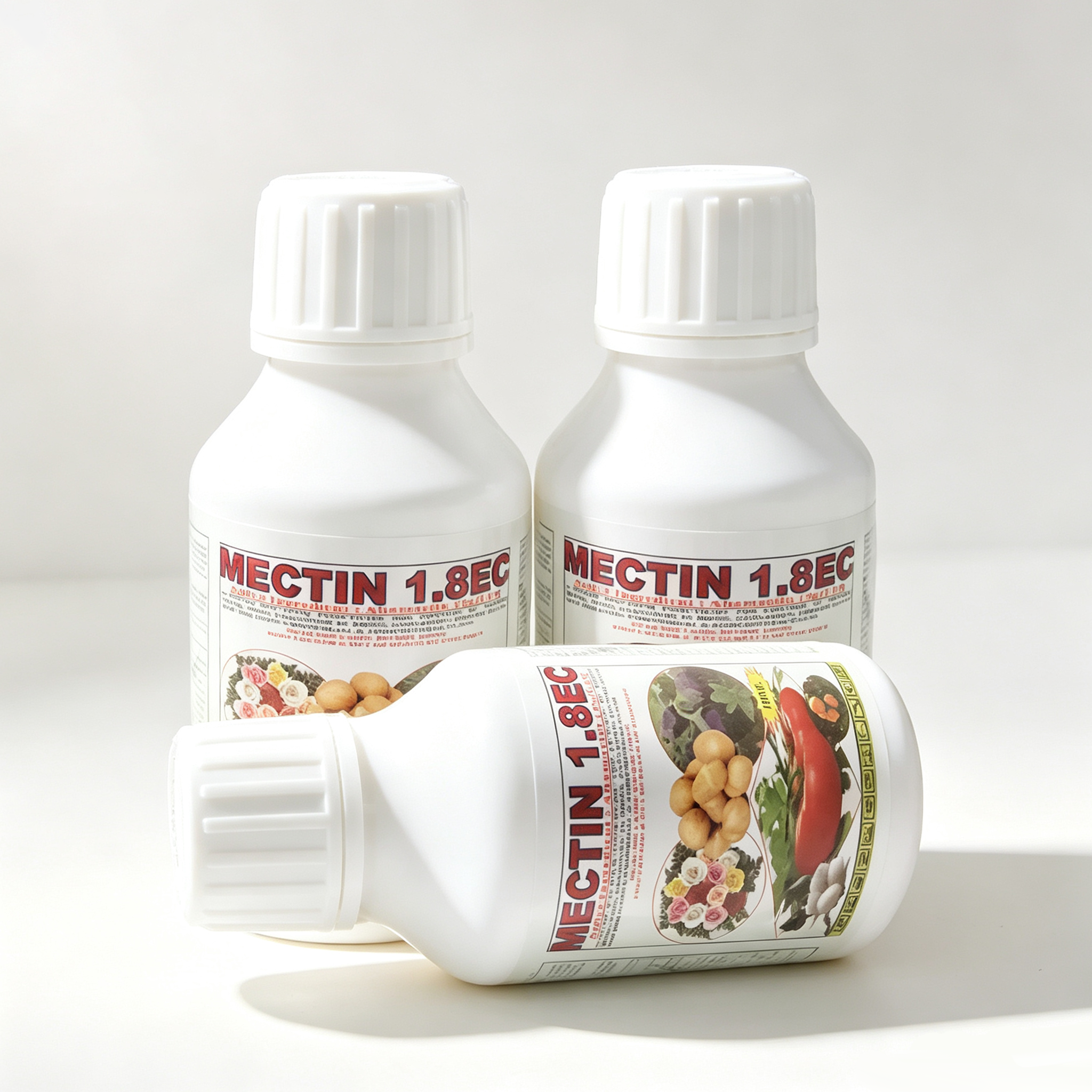
This product is an 18 g/L abamectin emulsifiable concentrate (EC) formulation, belonging to the avermectin class of macrocyclic lactone insecticides/acaricides. Abamectin is a mixture of avermectin B1a and B1b that acts primarily by activating glutamate-gated chloride channels (GluCls) in the invertebrate nervous system, causing chloride ion influx, hyperpolarization, paralysis and death. It has contact and stomach action, strong translaminar movement, rapid penetration into leaf tissue, and good residual control.
Suitable for various crops such as rice, cotton, vegetables (cabbage, tomato, cucumber, chilli, eggplant, okra, etc.), fruit trees (citrus, apple, pear, mango, grape, strawberry), tea, soybeans, and ornamental plants. It is used to control a wide range of pests including spider mites, rust mites, broad mites, leafminers, thrips, diamondback moth, cabbage worm, armyworms, fruit borers, rice leaf folder, and other chewing and sucking pests. Please use according to the recommended dosage within the registered and approved areas.
| Product Name | Abamectin 18 g/L EC |
| Active ingredient | Abamectin |
| Active ingredient content | 18 g/L |
| Formulation | EC, Emulsifiable Concentrate |
| Product Category | Insecticide |
| Abamectin CAS No. | 71751-41-2 |
| Main Uses | Broad-spectrum contact and stomach insecticide/acaricide with translaminar activity for control of mites, leafminers, thrips, diamondback moth and other agricultural and horticultural pests |
| Targeted Pests and Diseases | Major pests: spider mites (Tetranychus spp., Panonychus spp.), rust mites, broad mites, leafminers (Liriomyza spp., Phyllocnistis citrella), thrips (Thrips spp., Frankliniella spp.), diamondback moth (Plutella xylostella), cabbage worm (Pieris rapae), armyworms (Spodoptera spp.), fruit borers (Helicoverpa/Heliothis spp.), rice leaf folder (Cnaphalocrocis medinalis), and other chewing and sucking pests. Acts by contact and ingestion with translaminar activity; limited ovicidal activity, apply at early infestation. |
| Minimum Order Quantity | 1000L |
| Bulk packing | 1000L IBC drum, 200L drum, 20L drum |
| Small packing | 5L drum & 4drums/carton; 1L, 500ml, 250ml, 200ml, 100ml, 50ml bottle, 10L/carton |
| Documentation Support | ICAMA, COA, MSDS, TDS, Product Specifications,Packaging Information,etc. |
| Sample Service | Free for 200ml |
| Place of origin | China |
| Supplier | Agrogreat |
| Customized Services | bottle,label,bag, carton, logo Brand Customized |
Key Functions
Abamectin is a naturally derived macrocyclic lactone insecticide/acaricide produced by fermentation of Streptomyces avermitilis. It is a mixture of avermectin B1a and B1b, with B1a as the major active component. It was developed from avermectin and first commercialized for agricultural use in the 1980s. Abamectin acts primarily on the invertebrate nervous system by activating glutamate-gated chloride channels (GluCls), increasing chloride ion permeability and causing hyperpolarization of nerve and muscle cells, inhibition of neurotransmission, paralysis and death. This mechanism is classified as IRAC Group 6 (Chloride channel activators). Abamectin has contact and stomach action, with limited systemic activity but strong translaminar movement; it penetrates leaf tissue and can control pests on the underside of leaves. It is highly effective against mites and many insect larvae, especially leafminers, thrips, diamondback moth, and lepidopteran larvae. It has low water solubility, high lipophilicity, and is rapidly degraded by light and soil microorganisms. Abamectin is highly toxic to bees, aquatic organisms (fish and aquatic invertebrates), and some beneficial arthropods; appropriate precautions must be taken during application to minimize non-target exposure.
Key Benefits
1. Broad-spectrum insecticidal and acaricidal activity effectively controlling mites, leafminers, thrips, diamondback moth, cabbage worm, armyworms, fruit borers, rice leaf folder, and other agricultural and horticultural pests.
2. Excellent activity against spider mites, rust mites, broad mites, and leafminers, especially at early nymph/larval stages.
3. Translaminar movement — penetrates leaf tissue and forms a reservoir, providing control of pests on the underside of leaves and improving efficacy against hidden pests.
4. Contact and stomach action with rapid paralysis and anti-feeding effect; exposed pests stop feeding and moving soon after treatment.
5. Good residual activity on treated foliage under field conditions, although photodegradation may reduce persistence under strong sunlight.
6. Unique mode of action — IRAC Group 6 (chloride channel activator), suitable for Insect Resistance Management (IRM) and rotation with other insecticide/acaricide groups.
7. High potency at low dose rates, reducing the amount of active ingredient required per hectare.
8. Emulsifiable concentrate (EC) formulation — good stability, easy to measure and mix, suitable for foliar spray application with conventional equipment.
9. Compatible with Integrated Pest Management (IPM) programs when used as directed, with appropriate measures to protect pollinators, aquatic organisms, and beneficial arthropods.
●The actual applicable crops and control spectrum shall strictly comply with the provisions of the locally registered label.
●The actual use instructions, crop range, diseases, application rates, and conditions of use are subject to the label.
●Do not apply to crops or diseases not specified on the local label.
| Applicable Crops | Targeted Diseases/Pests |
| Rice | Rice leaf folder, stem borer, thrips |
| Cotton | Spider mites, thrips, leafminers, bollworms, armyworms |
| Cabbage / Crucifers | Diamondback moth, cabbage worm, cabbage moth, leafminers, thrips |
| Tomato | Spider mites, leafminers (Liriomyza spp., Tuta absoluta), thrips |
| Okra | Spider mites, jassids, fruit and shoot borer, thrips |
| Chilli | Spider mites, broad mite, thrips |