EN
EN




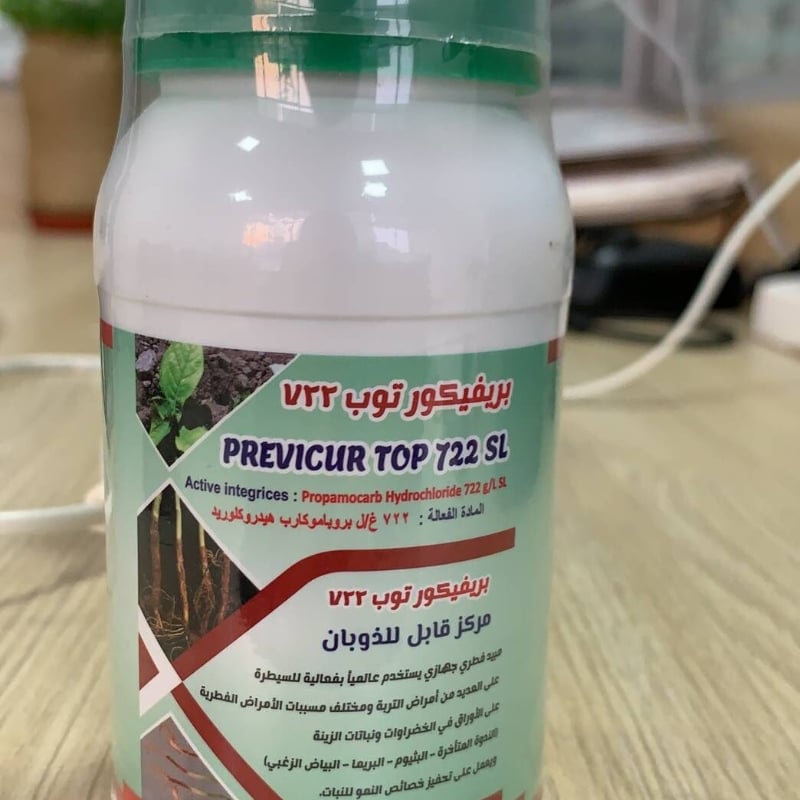
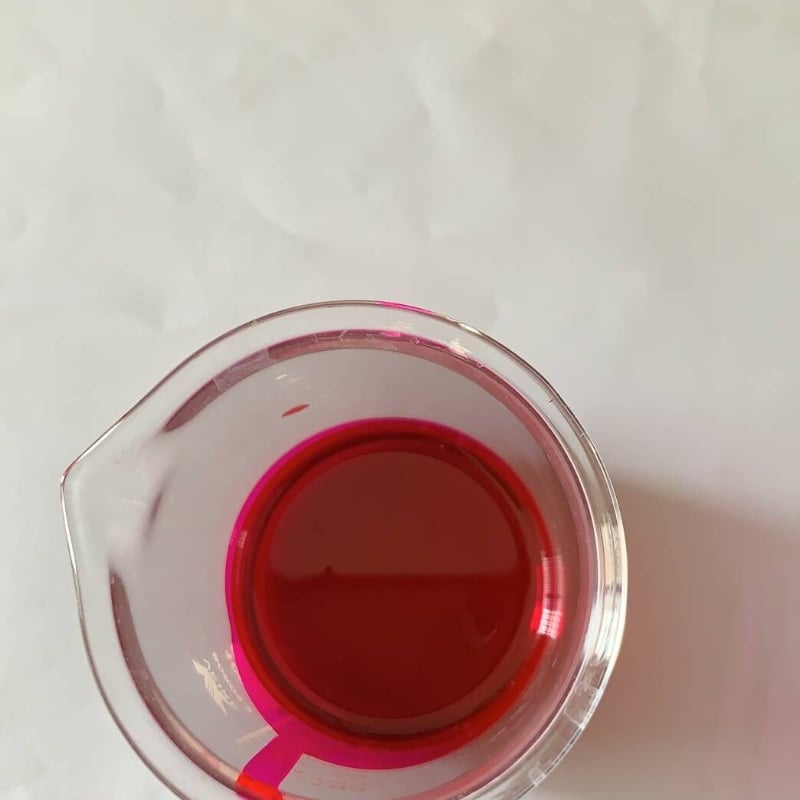
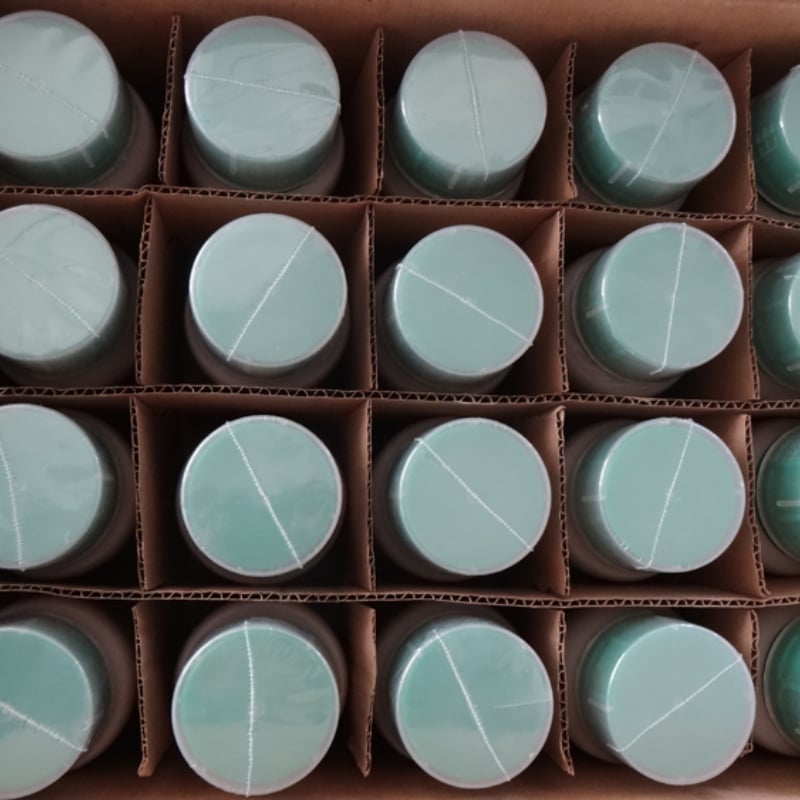
- Overview
- Recommended Products
This product is a 722 g/L propamocarb hydrochloride soluble concentrate (SL) formulation, belonging to the carbamate class of systemic fungicides (FRAC Group 28). Propamocarb hydrochloride is a multi-site inhibitor that disrupts the biosynthesis of phospholipids and fatty acids, essential components of the fungal cell membrane, thereby inhibiting mycelial growth, sporangia formation, and spore germination. It exhibits true systemic activity with acropetal translocation through the xylem, and is specifically active against Oomycete pathogens. It provides both protective and curative (therapeutic) action.
Suitable for various crops such as cucumber, tomato, pepper, tobacco, potato, lettuce, Chinese cabbage, cauliflower, spinach, taro, onion, ginseng, and ornamental plants. It is used to control a wide range of Oomycete diseases including downy mildew, late blight, black shank, damping-off, and Phytophthora blight. Please use according to the recommended dosage within the registered and approved areas.
Parameters
| Product Name | Propamocarb hydrochloride 722 g/L SL |
| Active ingredient | Propamocarb hydrochloride |
| Active ingredient content | 722 g/L |
| Formulation | SL, Soluble Concentrate |
| Product Category | Fungicide |
| Chlorfenapyr CAS No. | 25606-41-1 |
| Main Uses | Broad-spectrum systemic carbamate fungicide with protective and curative action for control of a wide range of Oomycete diseases in agricultural and horticultural crops |
| Targeted Pests and Diseases | Major diseases: Downy mildew (Pseudoperonospora cubensis, Peronospora spp., Bremia lactucae), late blight (Phytophthora infestans), black shank (Phytophthora nicotianae), Phytophthora blight (Phytophthora capsici), damping-off (Pythium spp.), stem rot (Phytophthora spp.), and other diseases caused by Oomycete pathogens including Phytophthora, Pythium, Plasmopara, Pseudoperonospora, Peronospora, and Bremia species. Acts by inhibiting phospholipid and fatty acid biosynthesis, disrupting fungal cell membrane formation, and inhibiting mycelial growth, sporangia formation, and spore germination. |
| Minimum Order Quantity | 1000L |
| Bulk packing | 1000L IBC drum, 200L drum, 20L drum |
| Small packing | 5L drum & 4drums/carton; 1L, 500ml, 250ml, 200ml, 100ml, 50ml bottle, 10L/carton |
| Documentation Support | ICAMA, COA, MSDS, TDS, Product Specifications,Packaging Information,etc. |
| Sample Service | Free for 200ml |
| Place of origin | China |
| Supplier | Agrogreat |
| Customized Services | bottle,label,bag, carton, logo Brand Customized |
Key Functions
Propamocarb hydrochloride is a systemic carbamate fungicide discovered and developed by Schering AG (later acquired by Bayer CropScience) and first introduced for commercial use in 1979. It is a versatile, effective, and safe carbamate fungicide with specific activity against numerous Oomycete species, causing seed, seedling, root, foot, and stem rots as well as foliar diseases in numerous edible crops and ornamental plants. Propamocarb hydrochloride is classified as FRAC Group 28 (Carbamate fungicides), which are considered multi-site inhibitors of fungal growth. It is the only registered fungicide belonging to FRAC Code 28 and is a valuable and effective rotational or tank-mix partner with fungicides classified as high risk to evolve resistance, such as those in FRAC Groups 4, 11, and 40.
At the biochemical level, the mode of action of propamocarb hydrochloride involves interference with different stages in the synthesis of phospholipids and fatty acids, which are essential structural components of the fungal cell membrane. This disruption of cell membrane integrity leads to increased membrane permeability and leakage of cellular contents. At the fungal cellular level, propamocarb adversely affects multiple fungal growth stages: it inhibits mycelial growth and development, reduces sporangia production, and prevents zoospore formation and spore germination. Research has also demonstrated that propamocarb inhibits the formation of oospores in Phytophthora infestans, the causal agent of potato and tomato late blight. Because propamocarb acts on multiple biochemical targets within the phospholipid and fatty acid biosynthesis pathway, the risk of resistance development is considered low to medium, and it effectively controls strains that have developed resistance to other Oomycete fungicides such as metalaxyl (FRAC Group 4) and strobilurins (FRAC Group 11).
Propamocarb hydrochloride exhibits true systemic activity. It is rapidly absorbed by plant roots, stems, and leaves and is acropetally translocated through the xylem to all plant parts, reaching disease development sites even in hard-to-reach areas. This systemic movement makes the product suitable for both foliar spray application and soil drench or seedbed irrigation, providing flexibility in application methods. Propamocarb hydrochloride is specifically active against Oomycete pathogens, including downy mildews (Bremia, Peronospora, Pseudoperonospora), Phytophthora, Pythium, Plasmopara, and Aphanomyces species, but has no activity against true fungi (Ascomycetes, Basidiomycetes, Deuteromycetes). It provides both protective and curative action — it prevents spore germination and infection when applied before disease onset, and can arrest established infections when applied early in the disease cycle. Propamocarb hydrochloride has low acute toxicity (rat acute oral LD₅₀ 2,000 mg/kg bw), is rapidly degradable in the environment, has low potential for bioaccumulation (log Pow = -1.3), and shows no acute or chronic aquatic hazard classification with effect values above 1 mg/L for all three trophic levels. The soluble concentrate (SL) formulation is a clear, homogeneous liquid that disperses readily in water without dust problems, is easy to measure and mix, and offers good stability and storage safety.
Key Benefits
1. Broad-spectrum control of Oomycete diseases: Highly effective against a wide range of Oomycete pathogens including Phytophthora, Pythium, Plasmopara, Pseudoperonospora, Peronospora, and Bremia species, controlling downy mildew, late blight, black shank, damping-off, and Phytophthora blight across diverse crops.
2. True systemic activity with acropetal translocation: Rapidly absorbed by plant roots, stems, and leaves and translocated through the xylem to all plant organs, ensuring protection of new growth and hard-to-reach plant parts. Suitable for both foliar spray and soil drench applications.
3. Dual protective and curative action: Prevents spore germination and infection when applied before disease onset (protective), and inhibits established mycelial growth and sporangia formation when applied early in the disease cycle (curative).
4. Unique FRAC Group 28 mode of action: The only registered fungicide belonging to FRAC Code 28, with a multi-site mode of action involving inhibition of phospholipid and fatty acid biosynthesis. No cross-resistance to phenylamides (FRAC Group 4), QoI fungicides (FRAC Group 11), or CAA fungicides (FRAC Group 40), making it an ideal rotation and tank-mix partner for resistance management programs.
5. Low-to-medium resistance risk: The multi-site nature of its mode of action and its unique biochemical target contribute to a low-to-medium risk of resistance development, effectively controlling pathogen strains that have developed resistance to other Oomycete fungicides.
6. Wide range of application: Suitable for cucumber, tomato, pepper, tobacco, potato, lettuce, Chinese cabbage, cauliflower, spinach, taro, onion, ginseng, and ornamental plants.
7. Flexible application methods: Can be applied as foliar spray for foliar diseases such as downy mildew and late blight, or as soil drench/seedbed irrigation for soilborne diseases such as damping-off and Phytophthora root rot, providing flexibility in disease management programs.
8. Favorable environmental and toxicological profile: Low acute toxicity (rat oral LD₅₀ 2,000 mg/kg bw), rapidly degradable in the environment, low bioaccumulation potential (log Pow = -1.3), and no acute or chronic aquatic hazard classification.
9. Soluble concentrate (SL) formulation: Clear, homogeneous liquid that disperses readily in water without dust problems, easy to measure and mix, with good stability and storage safety. Suitable for conventional spray equipment and irrigation systems.
●The actual applicable crops and control spectrum shall strictly comply with the provisions of the locally registered label.
●The actual use instructions, crop range, diseases, application rates, and conditions of use are subject to the label.
●Do not apply to crops or diseases not specified on the local label.
| Applicable Crops | Targeted Diseases/Pests |
| Cucumber | Downy mildew (Pseudoperonospora cubensis), damping-off (Pythium spp.), Phytophthora blight |
| Tomato | Late blight (Phytophthora infestans), damping-off |
| Pepper / Chilli | Phytophthora blight (Phytophthora capsici) |
| Tobacco | Black shank (Phytophthora nicotianae) |
| Potato | Late blight (Phytophthora infestans) |
| Lettuce / Leafy greens | Downy mildew (Bremia lactucae) |