Agricultural Chemicals
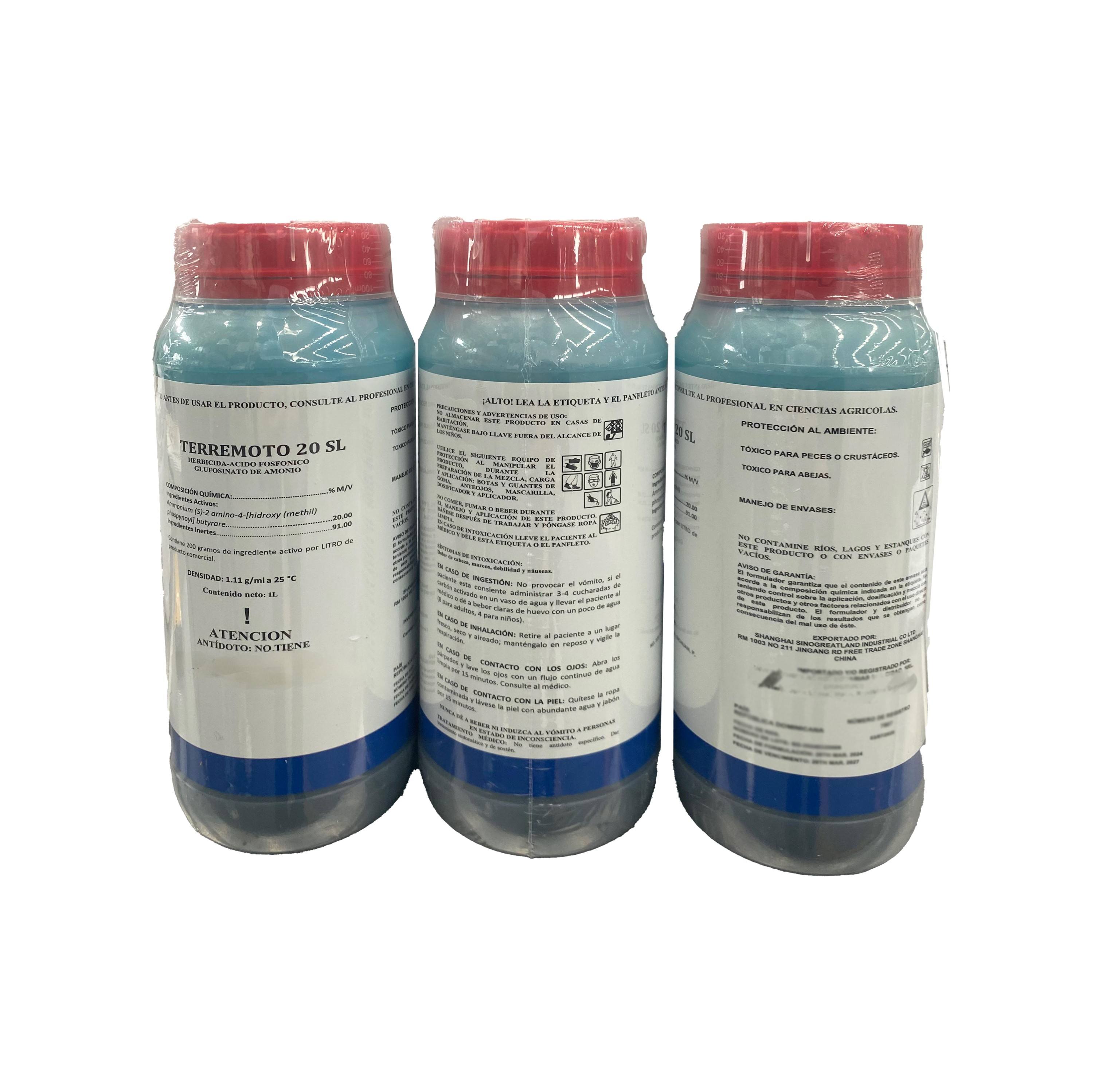
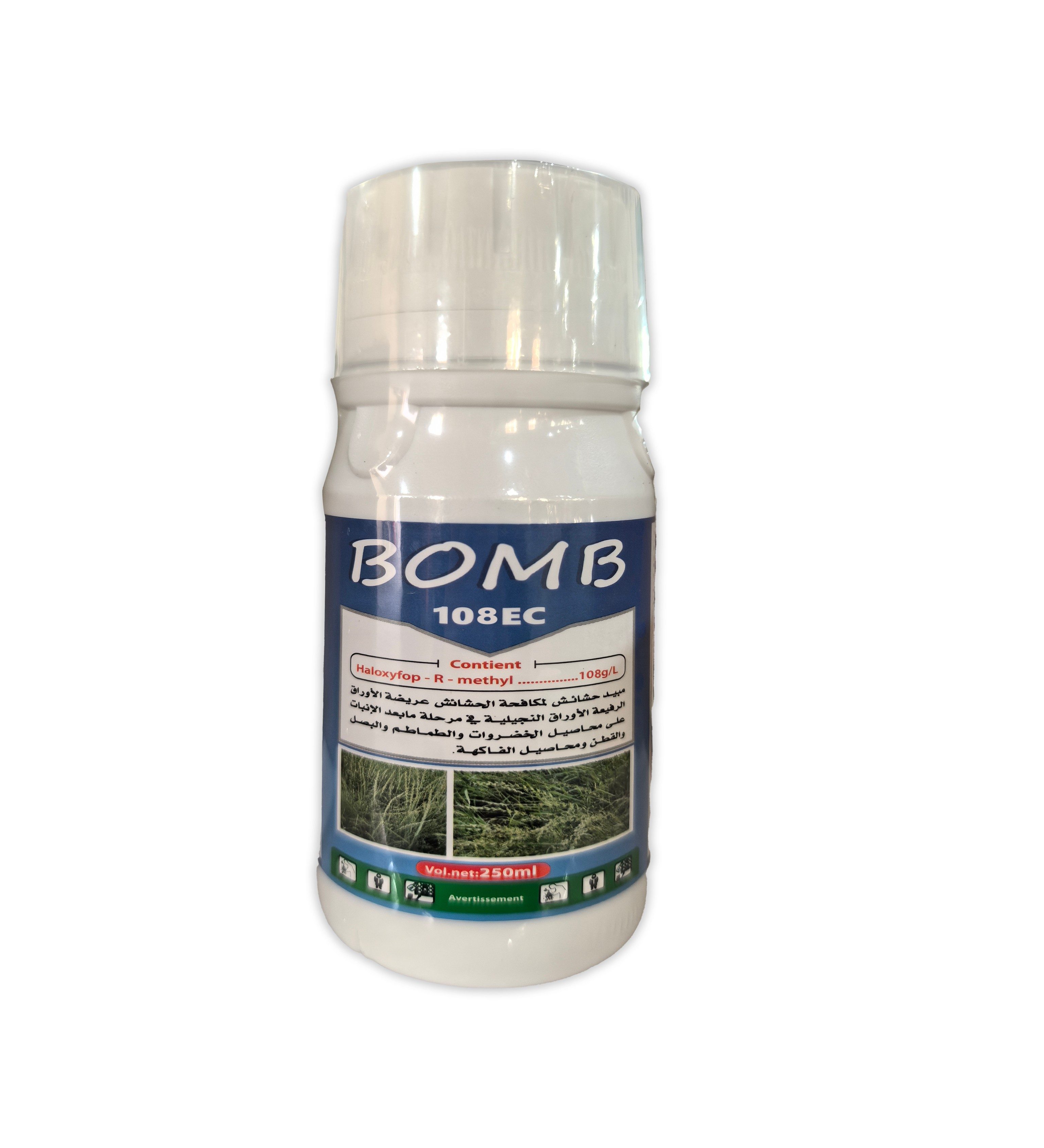
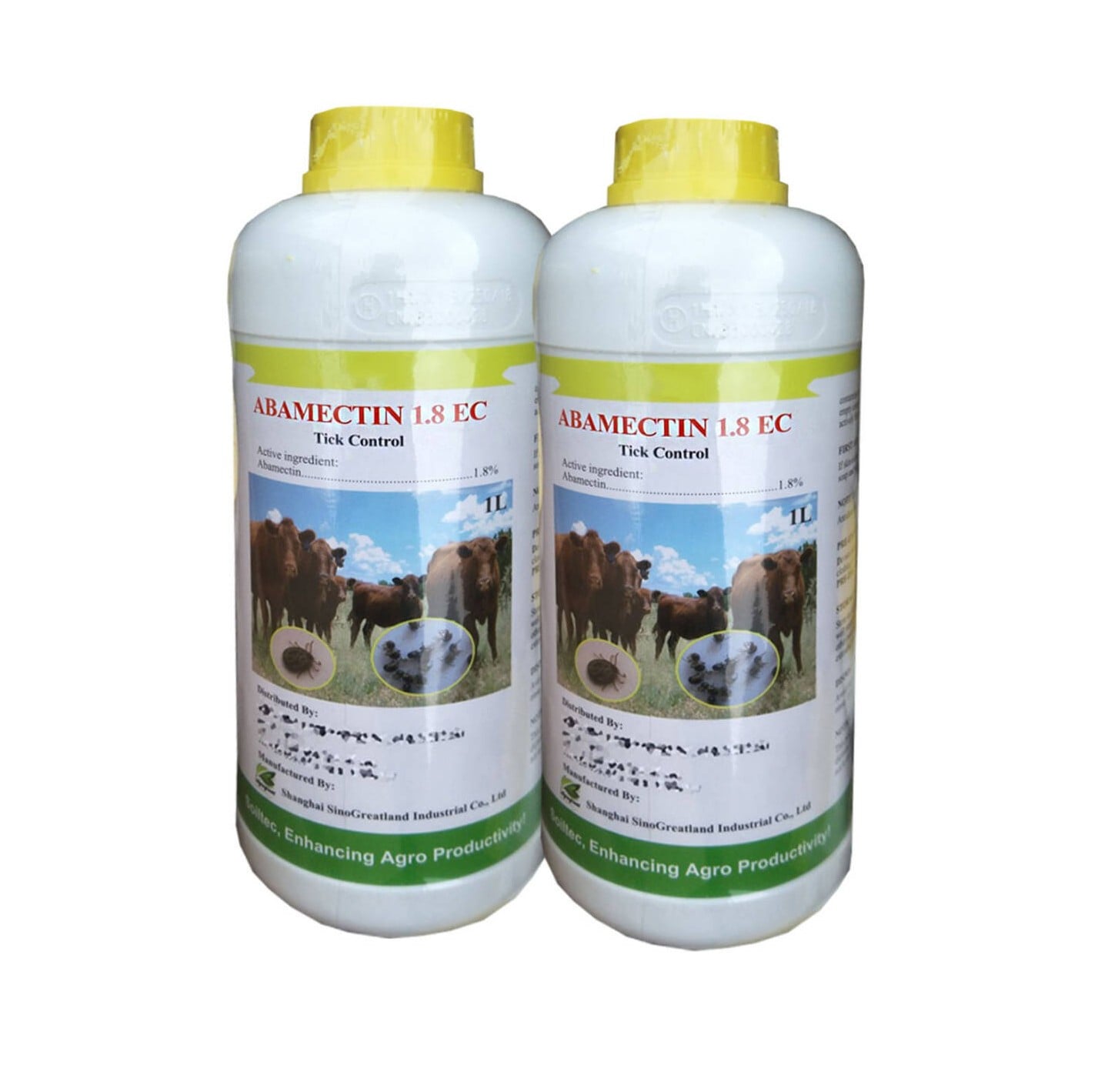
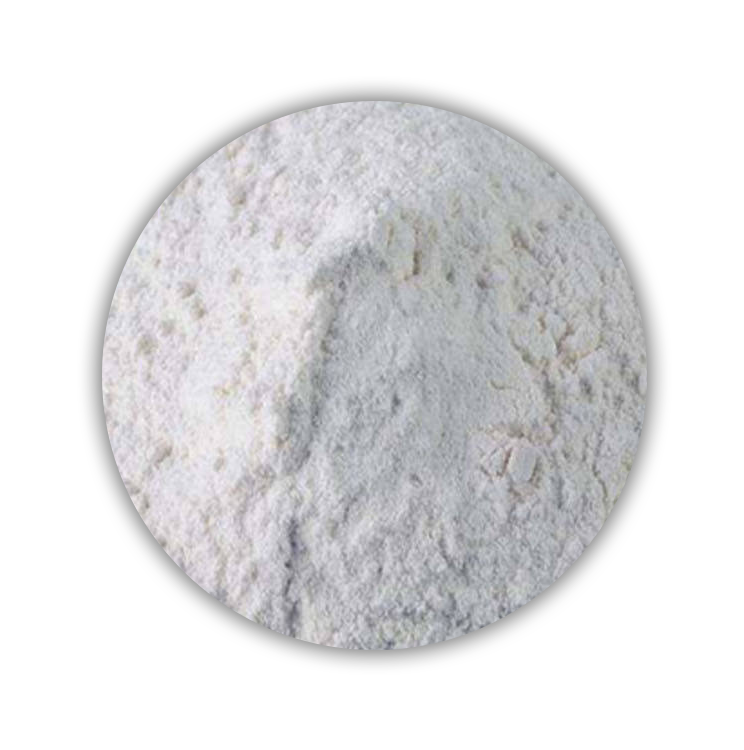
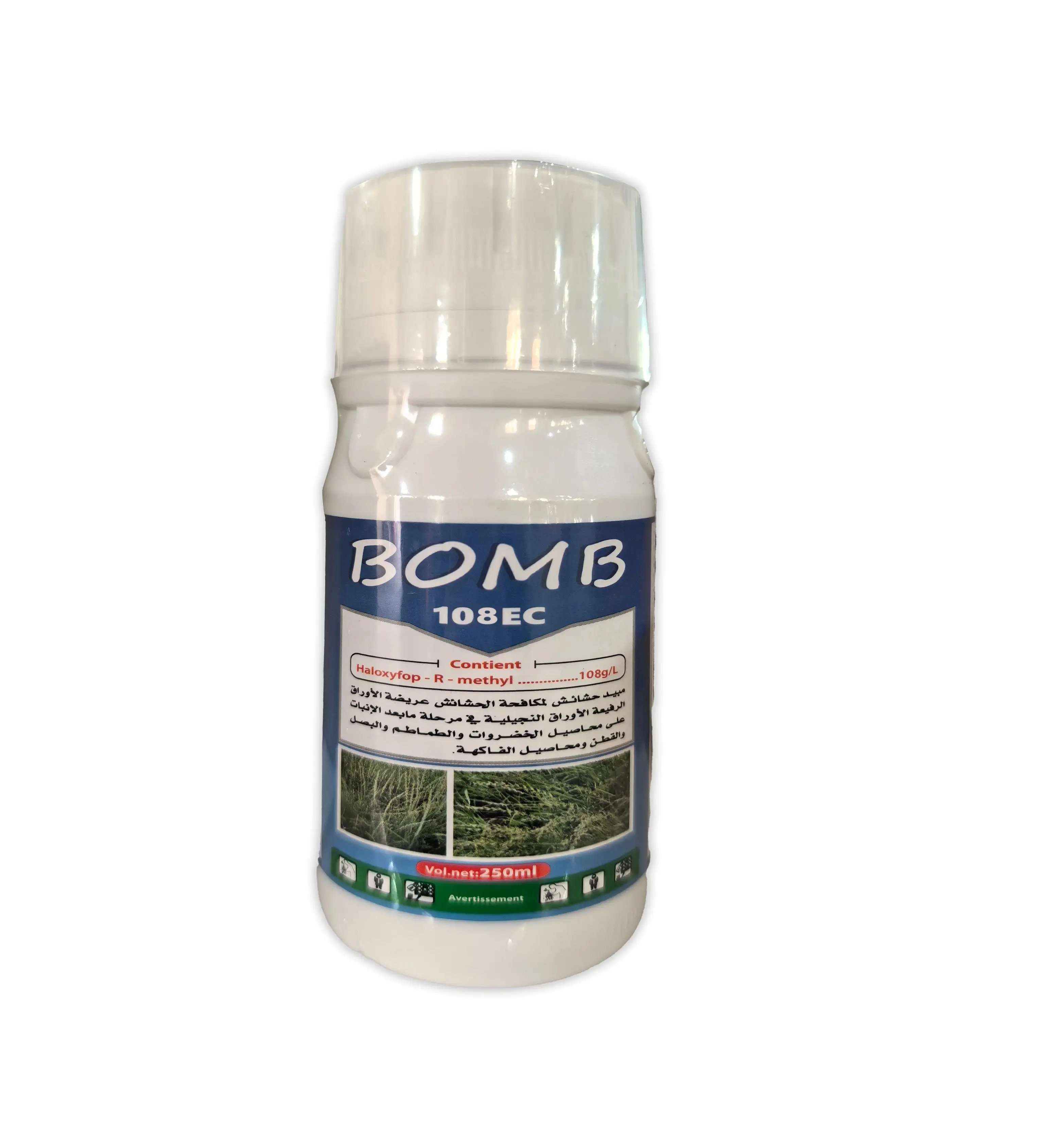
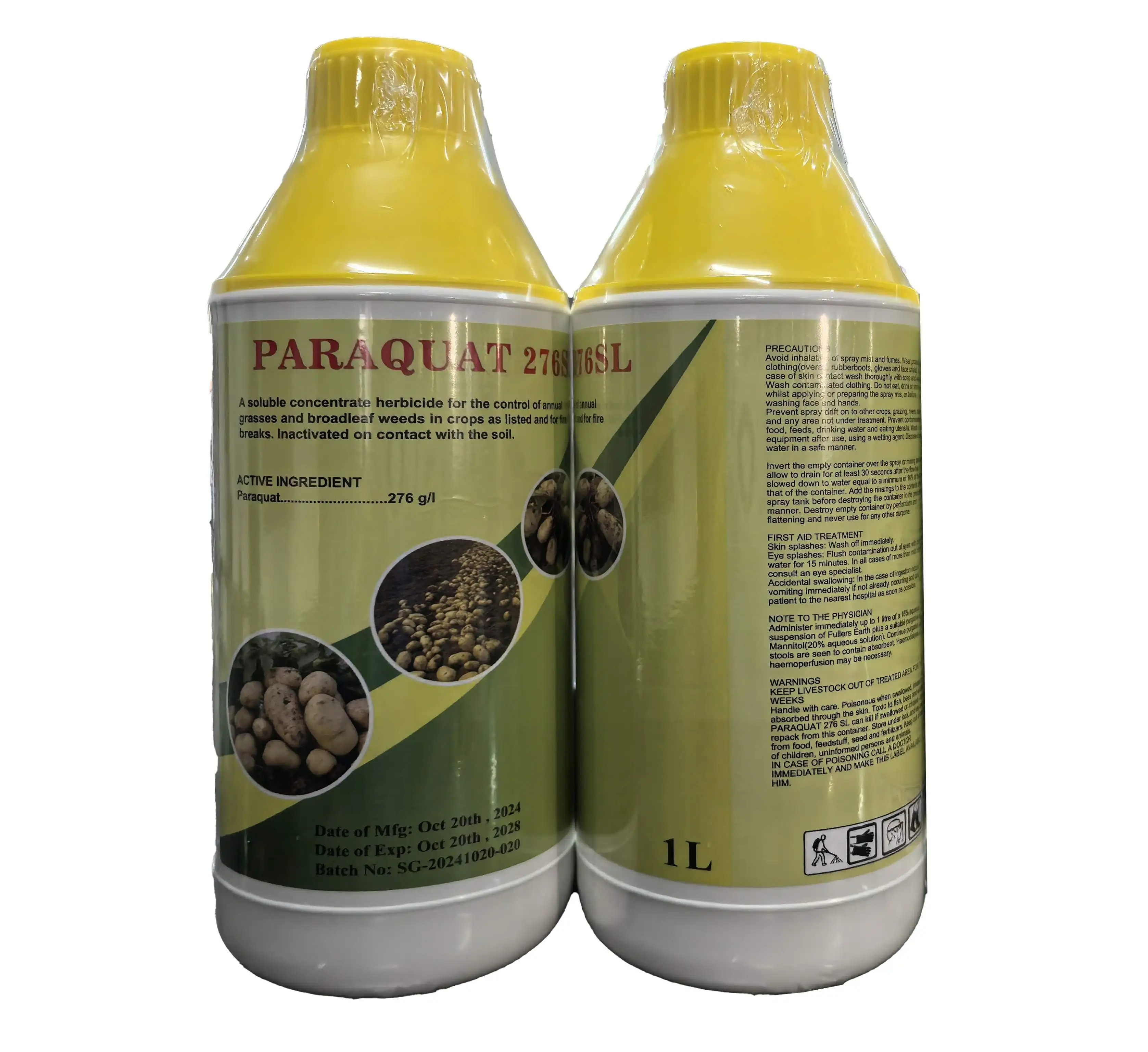
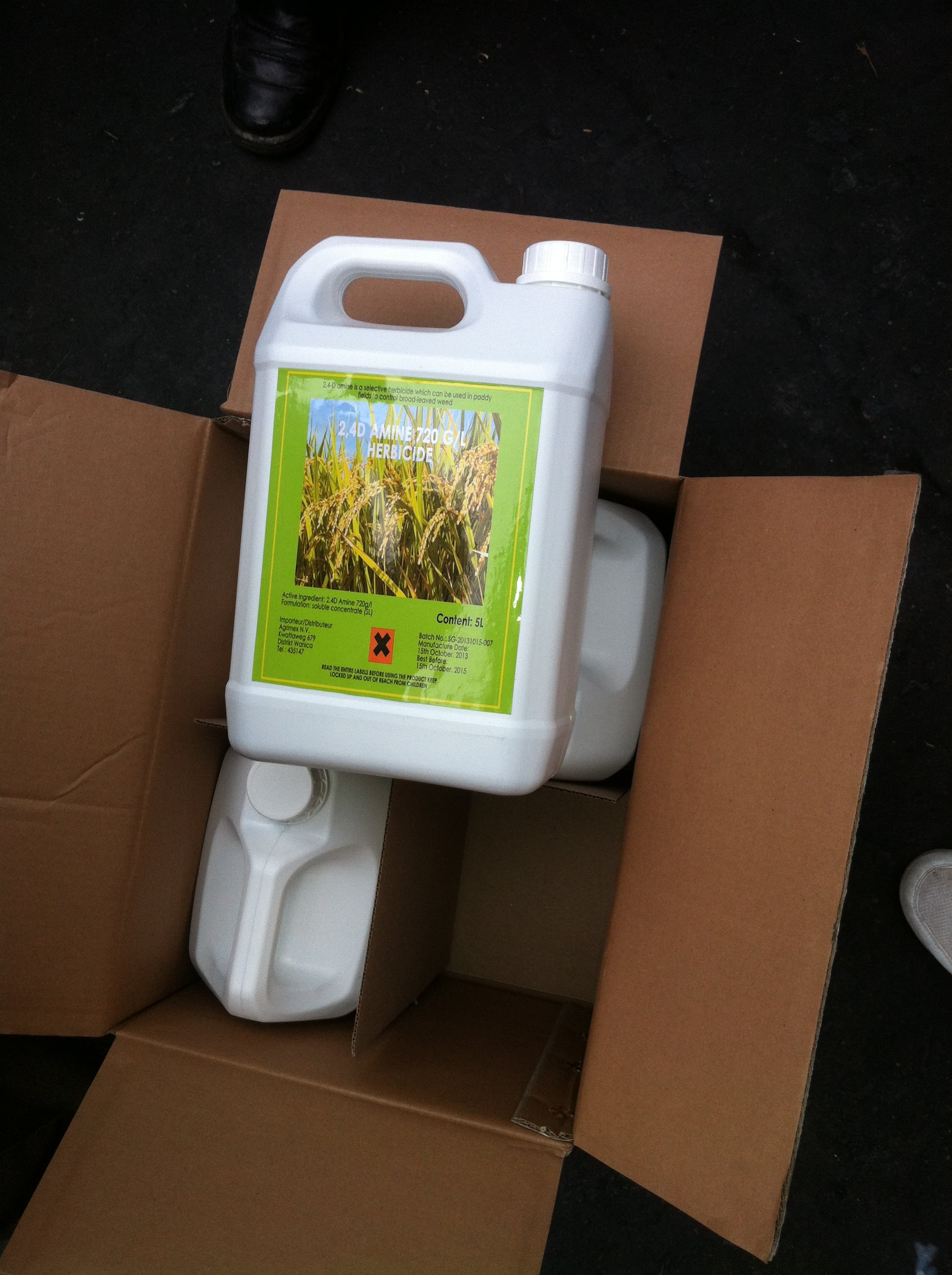
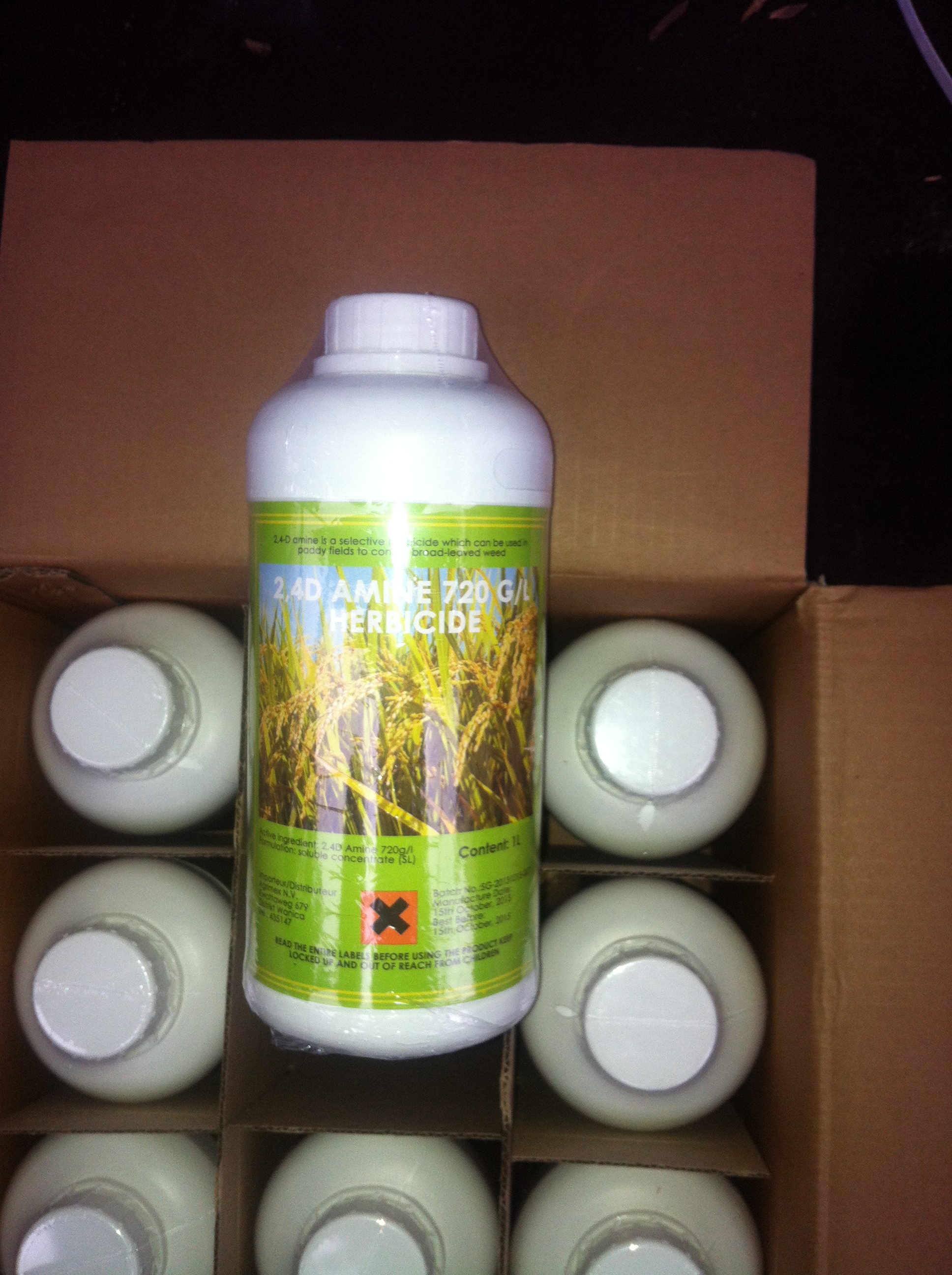
Agricultural chemicals are essential substances formulated to enhance crop production, protect plants from diseases, and optimize farm yields. These agricultural chemicals encompass fertilizers, pesticides, herbicides, and fungicides designed to address modern farming challenges. The primary functions of agricultural chemicals include nutrient supplementation to enrich soil composition, pest and disease management to prevent crop loss, and weed control to reduce competition for resources. Agricultural chemicals work through various technological mechanisms, including systemic absorption for internal plant protection, contact action for surface-level pest elimination, and soil incorporation for long-term nutrient availability. Modern agricultural chemicals integrate advanced formulation technologies that improve stability, effectiveness, and environmental compatibility. Applications of agricultural chemicals span across diverse farming operations, from large-scale commercial agriculture to specialized horticultural ventures. These products are deployed during critical growth stages to maximize their protective and nutritional benefits. The technological features of agricultural chemicals continue to evolve, incorporating precision application methods and reduced-toxicity formulations. Farmers utilize agricultural chemicals strategically throughout growing seasons to maintain crop health, optimize productivity, and ensure consistent harvest quality. Understanding proper usage guidelines for agricultural chemicals ensures maximum efficacy while maintaining safety standards for both crops and handlers.

 EN