
 EN



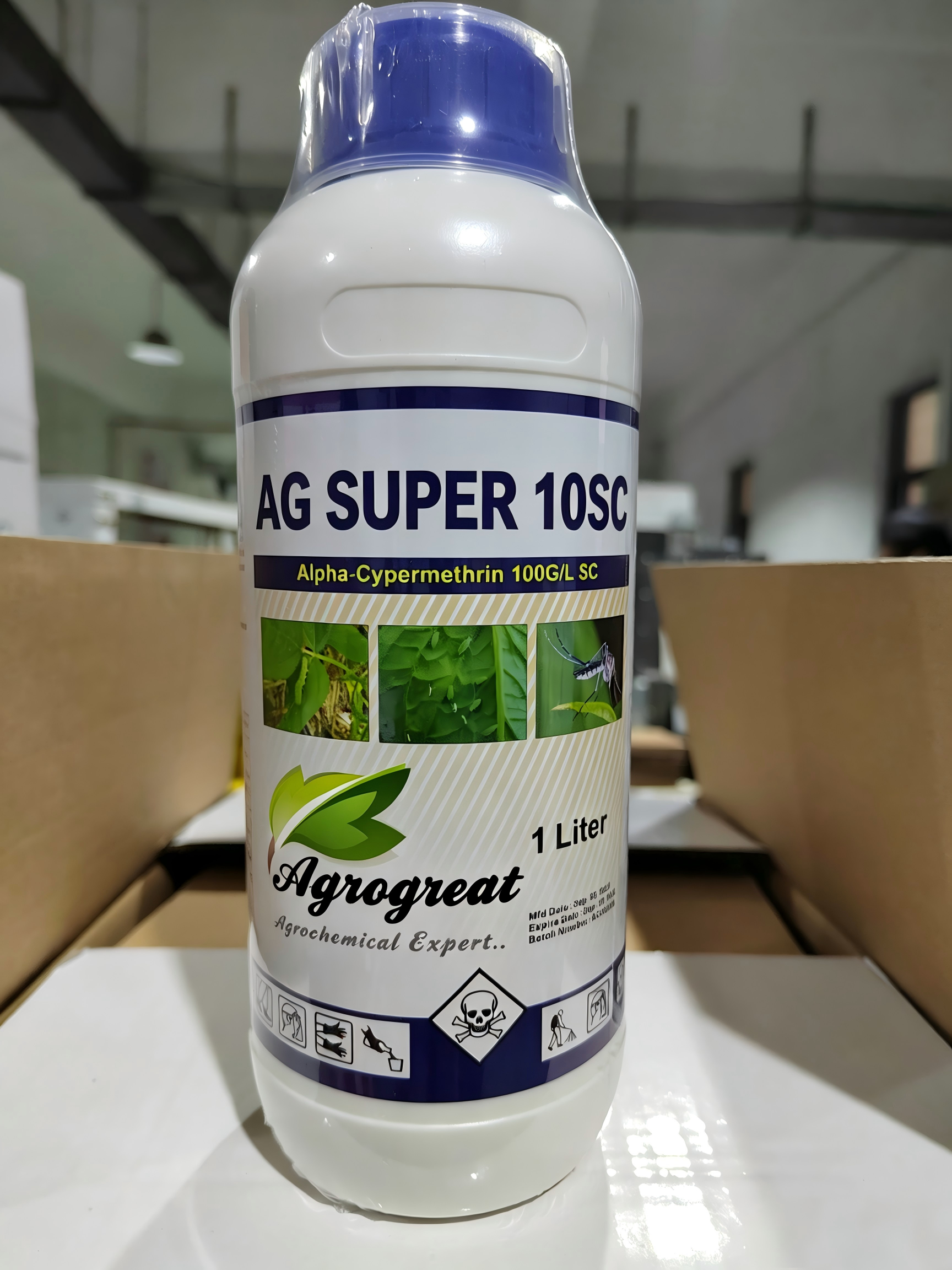
The imidacloprid seed treatment market is shaped by growers’ need to protect crop establishment, changing pest pressure, and the practical economics of early-season control. For commercial buyers, imidacloprid seed treatment is not simply an active ingredient choice; it is a decision about application fit, seed handling, local registration, and reliable access during a narrow planting window. Understanding these factors clarifies where demand comes from and how products are positioned.
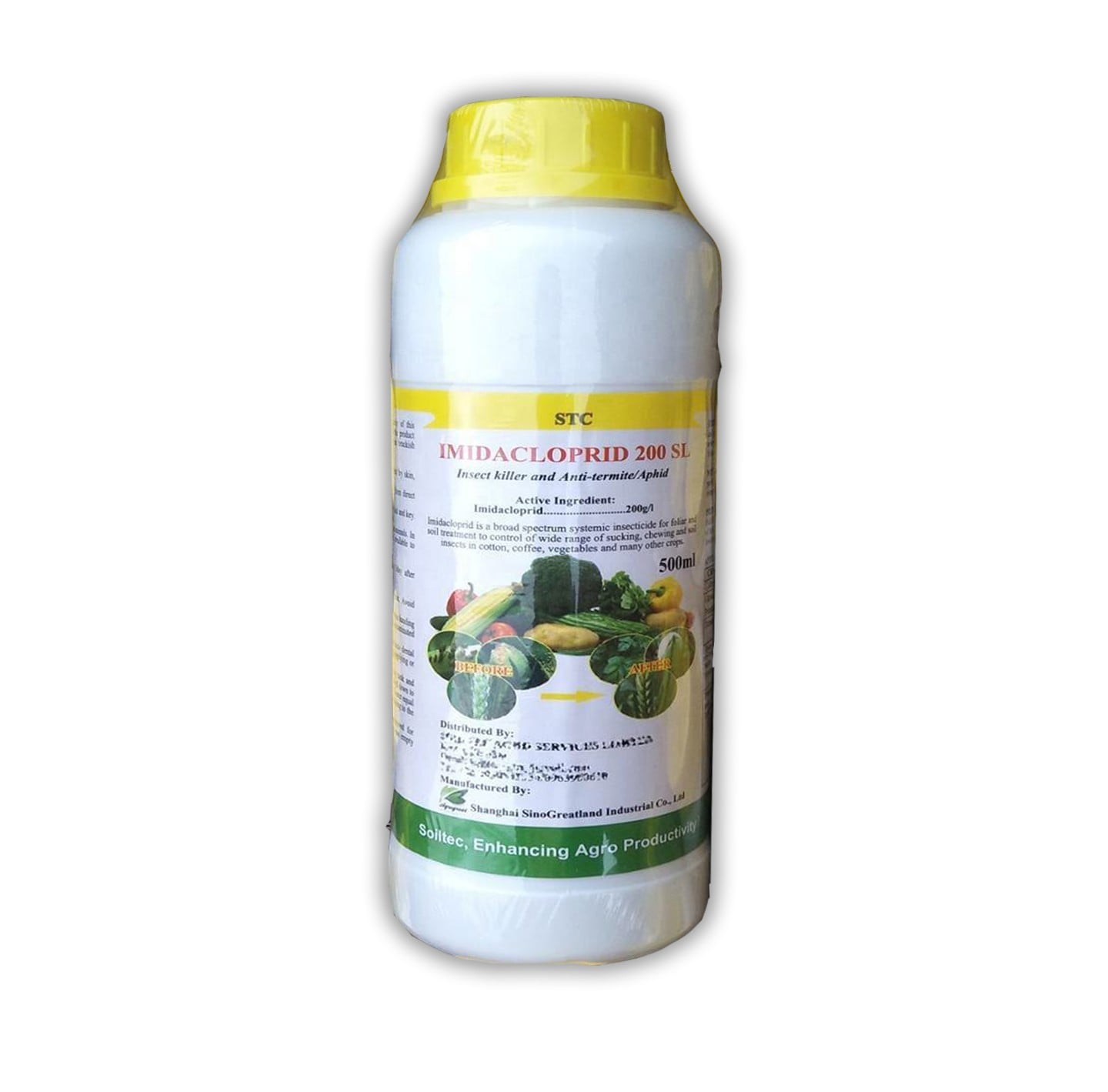
This analysis focuses on the market forces behind imidacloprid seed treatment, the attributes that shape its commercial position, and the competitive factors buyers should assess. Demand varies by crop, region, pest spectrum, regulations, and farm practice, so a single global narrative can hide meaningful differences. Evaluating imidacloprid seed treatment in its specific use context helps distributors and agricultural businesses make more grounded plans.
Demand drivers and purchasing conditions
Crop establishment and pest pressure
Demand for imidacloprid seed treatment is closely linked to the need to protect young plants when they are most vulnerable. Seed-applied protection can place an insecticide at the crop’s starting point, which may suit situations where early-season pests threaten emergence or stand development. The value of imidacloprid seed treatment therefore depends on crop biology, target pests, and the degree to which those pests are predictable in the planting environment.
A purchase decision should begin with field history and local monitoring, rather than a broad assumption that every seed lot needs the same protection. When pest risk is intermittent, buyers may weigh imidacloprid seed treatment against untreated seed, other approved approaches, or an integrated plan. This makes regional agronomic advice, approved use directions, and a clear understanding of the target pest central to demand planning.
Procurement timing and channel readiness
Seasonality makes imidacloprid seed treatment a procurement issue as well as an agronomic one. Seed and treatment decisions are often finalized before planting, so distributors need forecasts that reflect crop mix, local registration, and expected order timing. Businesses that track these signals can align inventory and technical support more effectively, while avoiding commitments based only on previous seasons.
Supply planning also depends on product form, packaging, storage requirements, and the ability to prepare treated seed consistently. Buyers considering imidacloprid seed treatment should confirm product specifications and handling instructions before the busy period begins. Clear coordination across seed processors, distributors, and farm customers can reduce avoidable delays and help ensure the intended treatment is available when planting decisions are made.
Market positioning and value assessment
Role within a crop protection program
The position of imidacloprid seed treatment rests on its role as an early-season tool, not as a complete pest-management program. Buyers should evaluate which pests are covered, the expected protection window, and how the treatment fits with scouting and later interventions. This framing keeps imidacloprid seed treatment connected to a defined agronomic need instead of treating it as a general solution for every insect risk.
The comparison should also account for crop, seed type, application method, and local label directions. In some production systems, imidacloprid seed treatment may complement other practices; in others, restrictions or limited target relevance may narrow its fit. A useful commercial position explains these boundaries clearly, allowing the buyer to understand both the intended function and the conditions that determine suitability.
Economics, handling, and product information
Economic assessment goes beyond the purchase price. The imidacloprid seed treatment decision can involve treatment cost per unit of seed, processing arrangements, expected pest-related losses, and the operational value of having protection applied before planting. Because those inputs differ by crop and farm, businesses should use locally relevant assumptions and avoid presenting a universal return that cannot be supported across production systems.
Product information contributes directly to market positioning. Buyers need clear details on concentration, formulation, compatibility, storage, seed coverage, and directions for use. For example, review the imidacloprid seed treatment product information alongside the applicable label and local requirements. Transparent documentation helps customers assess whether the offer matches their equipment, workflow, and intended crop use.
Competition and commercial differentiation
Factors shaping competitive pressure
Competition in imidacloprid seed treatment is influenced by more than price. Buyers can compare approved uses, formulation and packaging options, technical guidance, supply dependability, and fit with established seed-treatment processes. These dimensions matter because a product that is difficult to handle or poorly explained may create friction even when its active ingredient is familiar to the market.
Regulatory status is another essential competitive factor. Registration, permitted crops, application directions, and restrictions can differ by jurisdiction and change over time. Suppliers and channel partners dealing in imidacloprid seed treatment need to keep product claims aligned with current requirements. Buyers should verify the relevant documentation rather than assuming that use patterns in another market apply locally.
Positioning through service and responsible use
A credible commercial position for imidacloprid seed treatment connects product details with practical support. Useful guidance can cover treatment handling, seed-flow considerations, safe storage, record keeping, and how to interpret label directions. This information helps processors and growers assess fit before purchase, and it can distinguish an offer through clarity rather than unsupported claims about performance.
Responsible use also shapes long-term market acceptance. Customers should consider resistance-management guidance, pollinator and environmental precautions, and integrated pest-management practices where relevant to the label and local advice. When discussing imidacloprid seed treatment, commercial teams should explain limitations as carefully as benefits. That approach supports informed decisions and reduces the risk of treating one tool as a substitute for broader stewardship.
FAQ
What mainly drives demand for imidacloprid seed treatment?
Demand for imidacloprid seed treatment depends on early-season pest pressure, crop value, local approval, and established planting practices. Field history and the target pest are more useful guides than broad assumptions about regional demand. Procurement timing and access to clear handling information also influence whether buyers can use the product as intended.
How should buyers assess its market position?
Buyers should assess imidacloprid seed treatment by intended crop and pest, label fit, total treatment economics, processing needs, and available technical information. Comparing these factors in the local operating context provides a more practical view than price alone. Product claims and directions should always be checked against current local requirements.
What creates differentiation in a competitive market?
In the imidacloprid seed treatment market, differentiation can come from suitable formulation choices, dependable channel planning, accurate documentation, and useful support for safe handling. Responsible positioning matters too: buyers need clear limits, approved-use information, and stewardship guidance. These elements help establish fit without relying on unsupported performance promises.