 ×
×

Application Integrated pest and disease management for rice throughout the entire growth cycle from sowing to harvesting, applicable to indica rice and japonica rice worldwide.Target Pests & Diseases:Rice planthopper, rice thrips, striped rice bo...
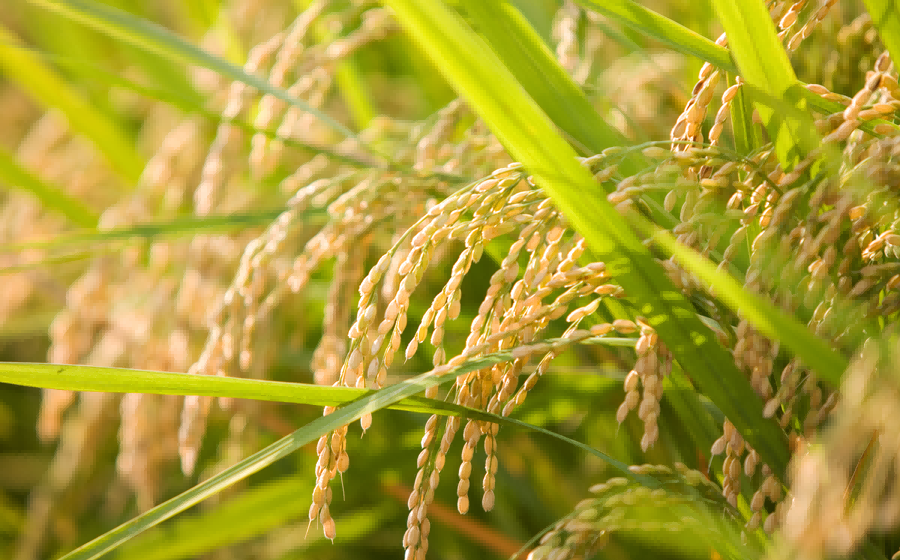
Application Integrated pest and disease management for rice throughout the entire growth cycle from sowing to harvesting, applicable to indica rice and japonica rice worldwide.
Target Pests & Diseases:Rice planthopper, rice thrips, striped rice borer, sheath blight, rice blast, false smut and panicle diseases.
Recommended Products, Formulation, Content & Application Rate
1.Seedling bed stage: 70% Imidacloprid WG, 150 g per hectare, spray after dilution; Alternative new product: 20% Dinotefuran WG, 180 g per hectare for spraying.
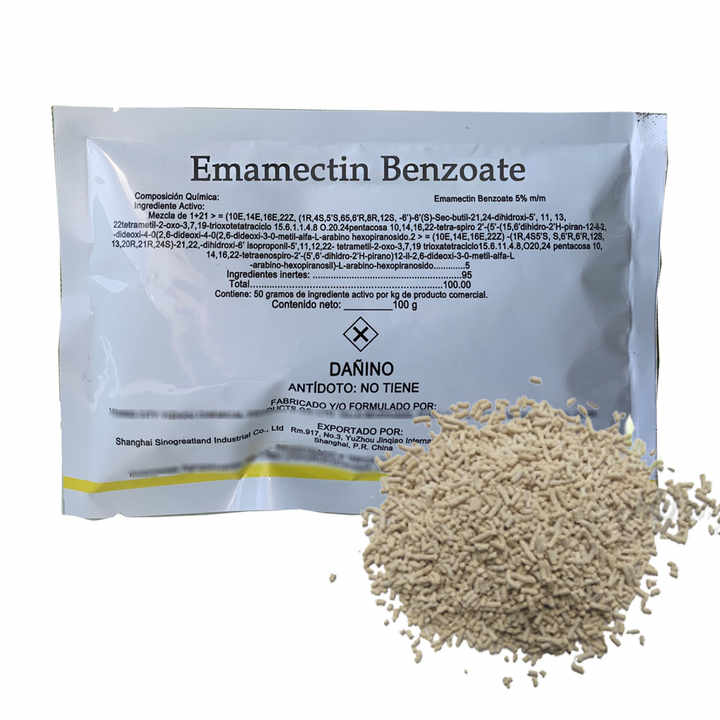
2.Tillering stage: 5% Emamectin Benzoate + 15% Indoxacarb SC, dilute 1200 times for spraying.
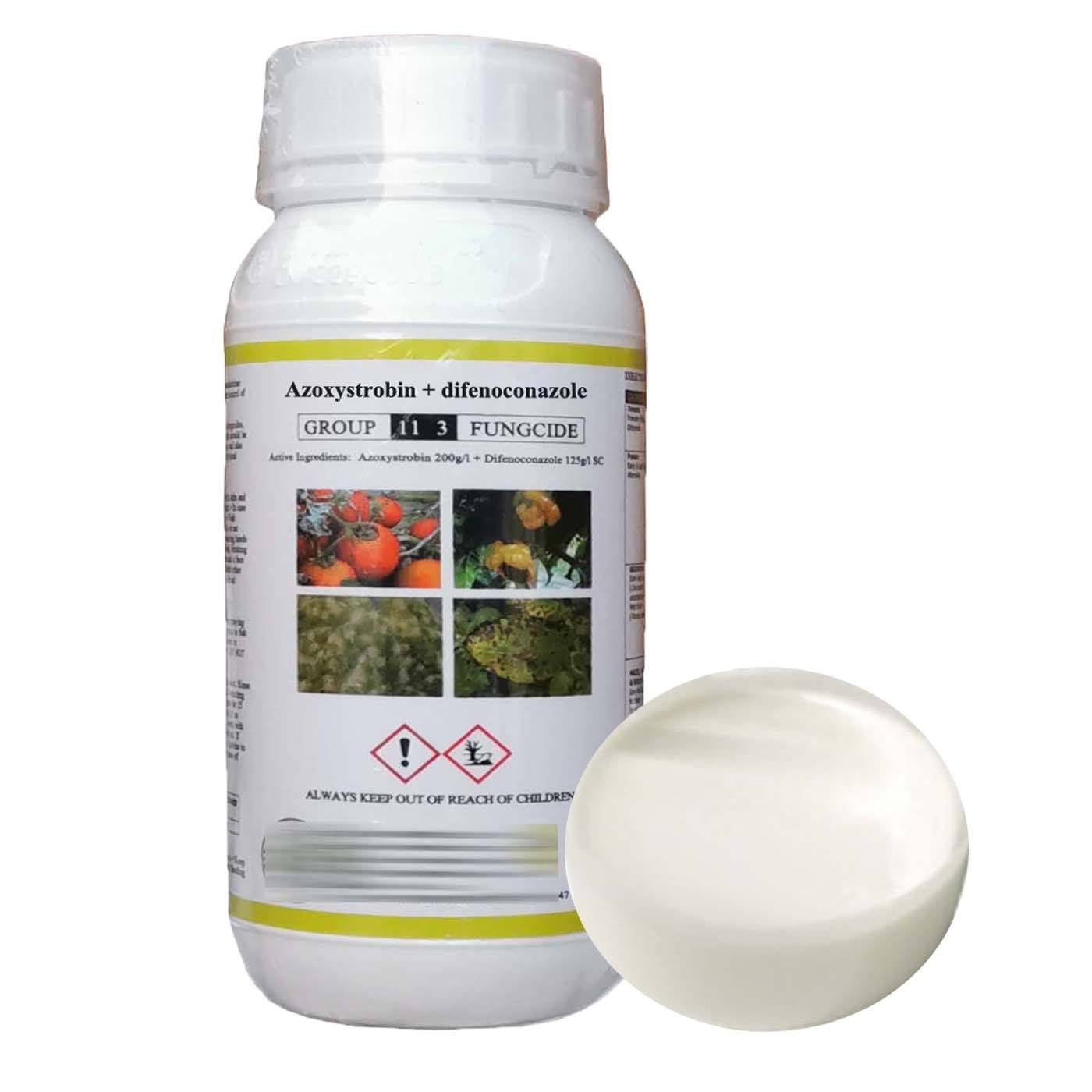
3.Booting to 5–7 days before heading: 75% Tricyclazole WP + 30% Pyraclostrobin EC, 400 g and 200 mL per hectare respectively, tank-mix for spraying.
4.Grain filling stage: 20% Nitenpyram AS, 300 mL per hectare for foliar spray;
Key Implementation Points
1.Disinfect seeds to eliminate seed-borne pathogens and prevent seedling bakanae disease.
2.Reduce initial population of planthoppers and thrips in seedling bed.
3.Control sheath blight and striped rice borer at tillering stage.
4.The period from booting to heading is the critical window for disease control.
5.Control late-stage pests and panicle diseases at grain filling stage.
Resistance Management Rotate pesticides with different modes of action. Do not apply the same pesticide more than twice per growing season. Random mixing of highly toxic pesticides is prohibited. New combined products are recommended to delay pest resistance.
Notes:Do not spray pesticides before heavy rain to avoid liquid loss. Strictly follow the pesticide safety interval.
Supplementary Note:The above standard dosage can be adjusted according to local climate, crop growth, pest and disease pressure in different regions.
Shanghai Sinogreatland Industrial co.,Ltd provides herbicides, fungicides, insecticides & PGRs for global agribusiness. ISO9001-certified, 340+ formulations, 70+ countries served. Request samples today.
Senlan Meihuan Mansion, 515 Qifan Road, Pudong New Area, Shanghai, China
Copyright © 2026 Shanghai Sinogreatland Industrial co.,Ltd. All rights reserved. Privacy Policy

 EN
EN