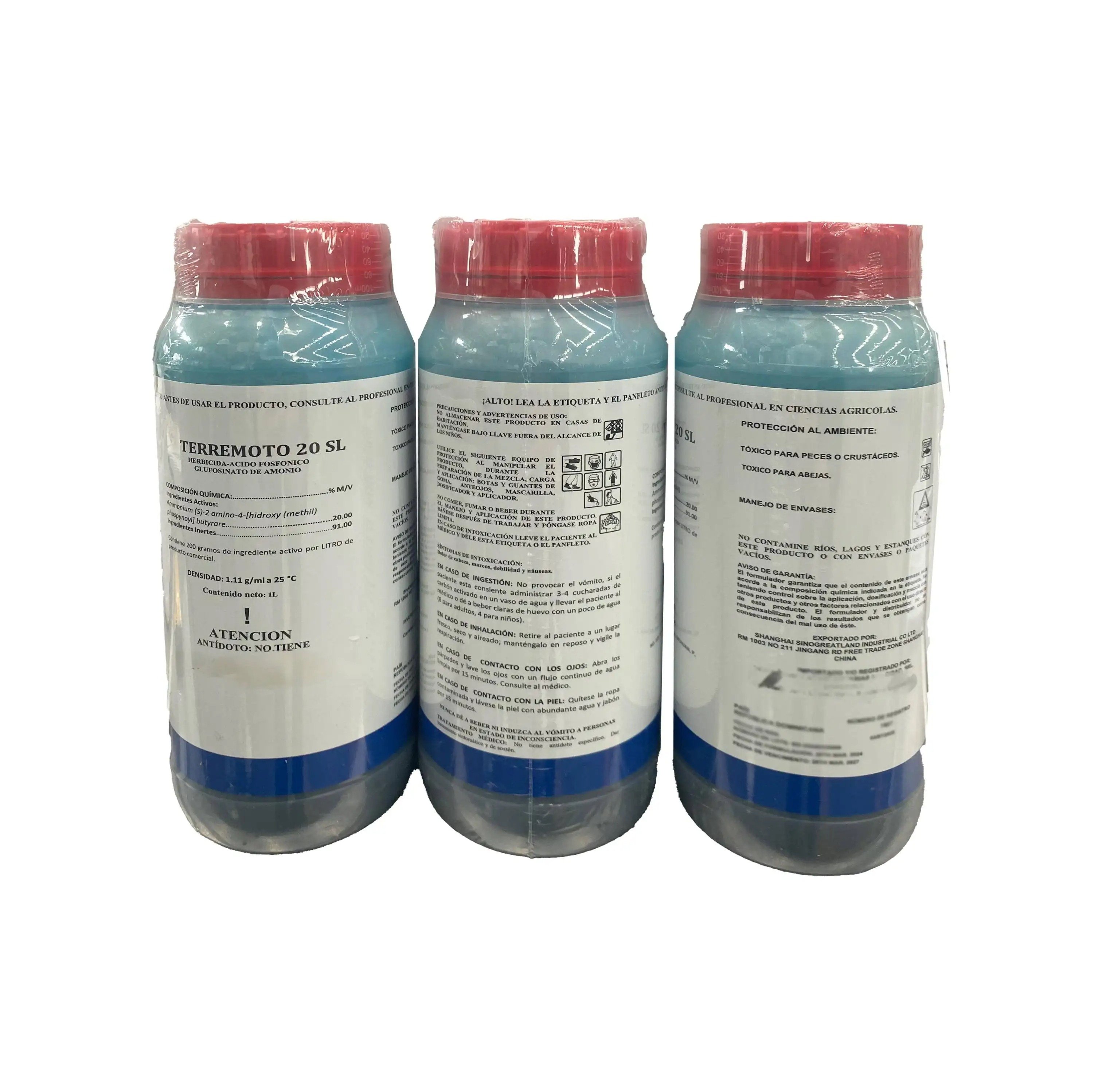
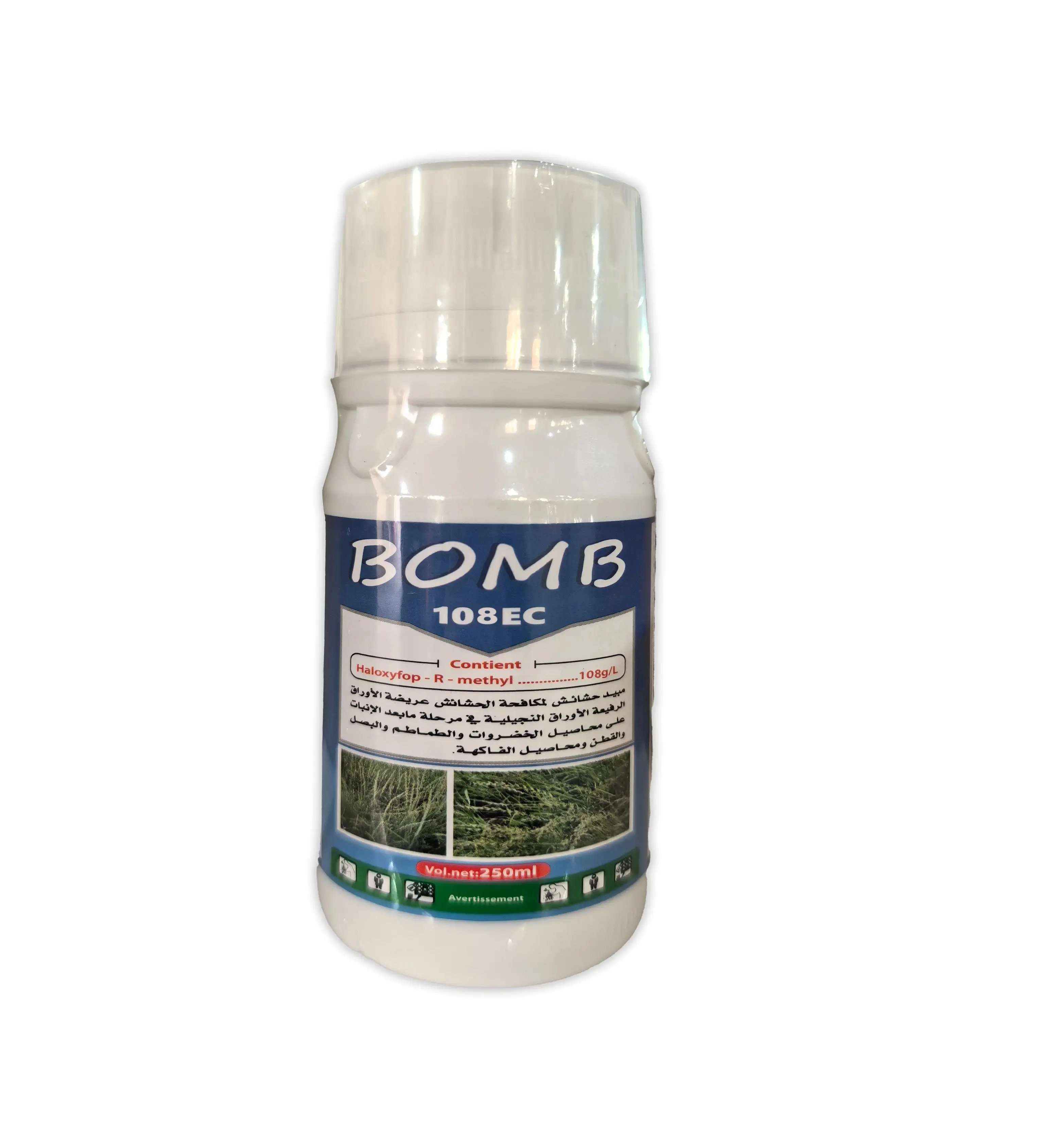
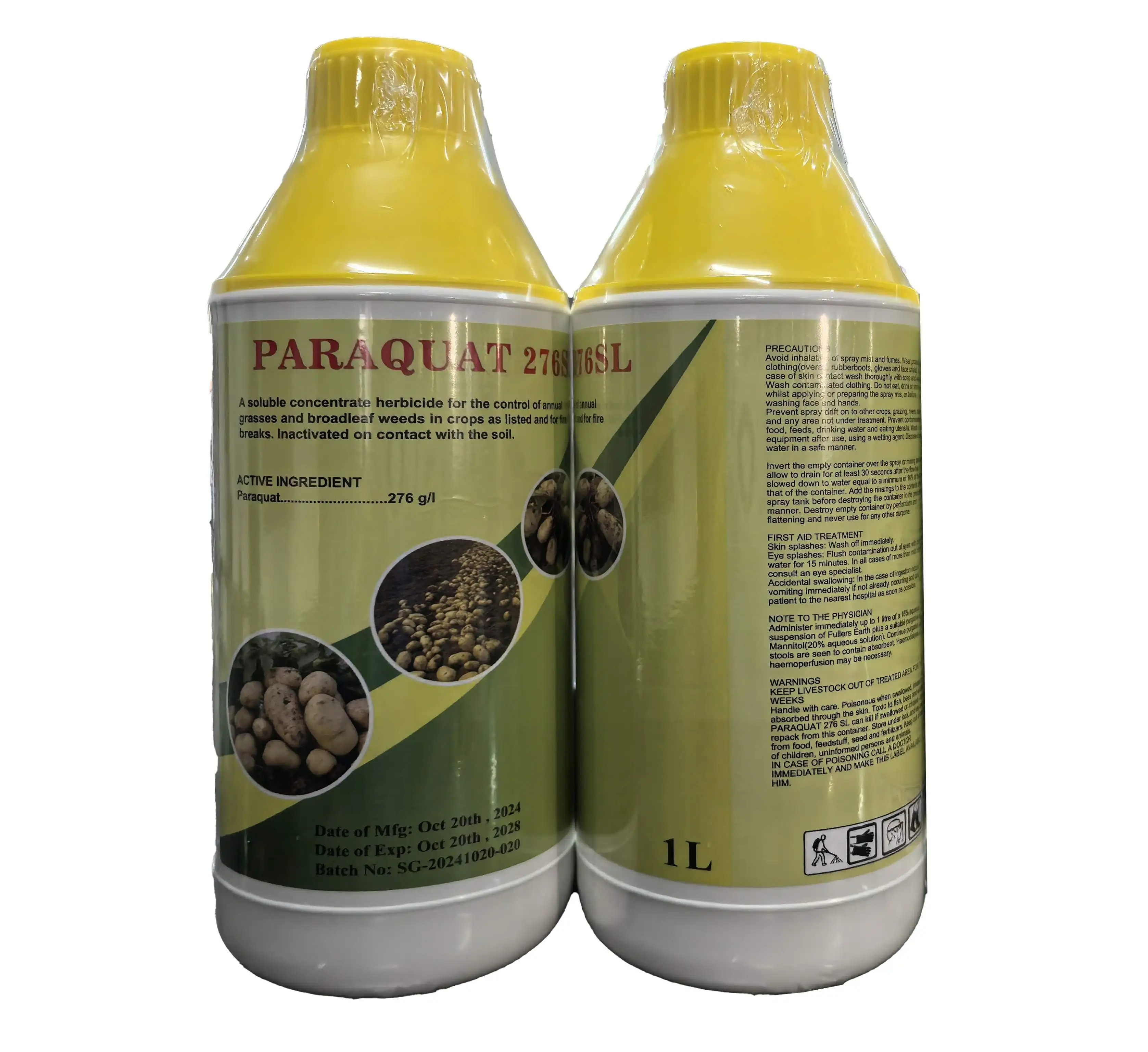
glyphosate herbicide
Glyphosate herbicide represents one of the most effective and widely used weed control solutions in modern agriculture and land management. This non-selective herbicide works by targeting the enzyme responsible for plant protein synthesis, effectively eliminating unwanted vegetation across diverse environments. Glyphosate herbicide operates through systemic action, meaning it translocates throughout the entire plant system after foliar application, ensuring complete eradication from roots to foliage.
The primary function of glyphosate herbicide is to provide broad-spectrum weed control for agricultural fields, gardens, industrial sites, and non-crop areas. Its technological features include rapid absorption through plant leaves and stems, combined with translocation to underground root systems for comprehensive elimination. Glyphosate herbicide demonstrates remarkable versatility through its application methods, which include foliar spraying, spot treatments, and tank-mix formulations with other agricultural inputs.
Applications for glyphosate herbicide span numerous industries and scenarios. Farmers utilize glyphosate herbicide for pre-planting field preparation, inter-row cultivation, and post-harvest residue management. Horticulturists employ this solution for landscape maintenance and ornamental plant protection. Industrial facilities use glyphosate herbicide for vegetation control along roadsides, around infrastructure, and in facility maintenance programs. The effectiveness of glyphosate herbicide makes it an indispensable tool for anyone requiring reliable, economical weed management solutions in professional or residential settings.

 EN