EN
EN




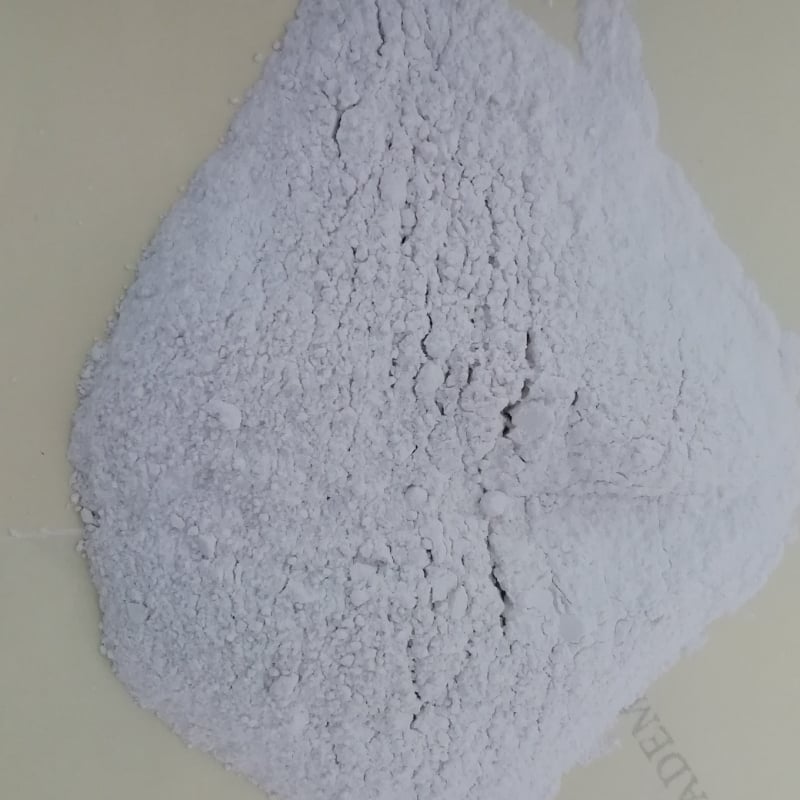
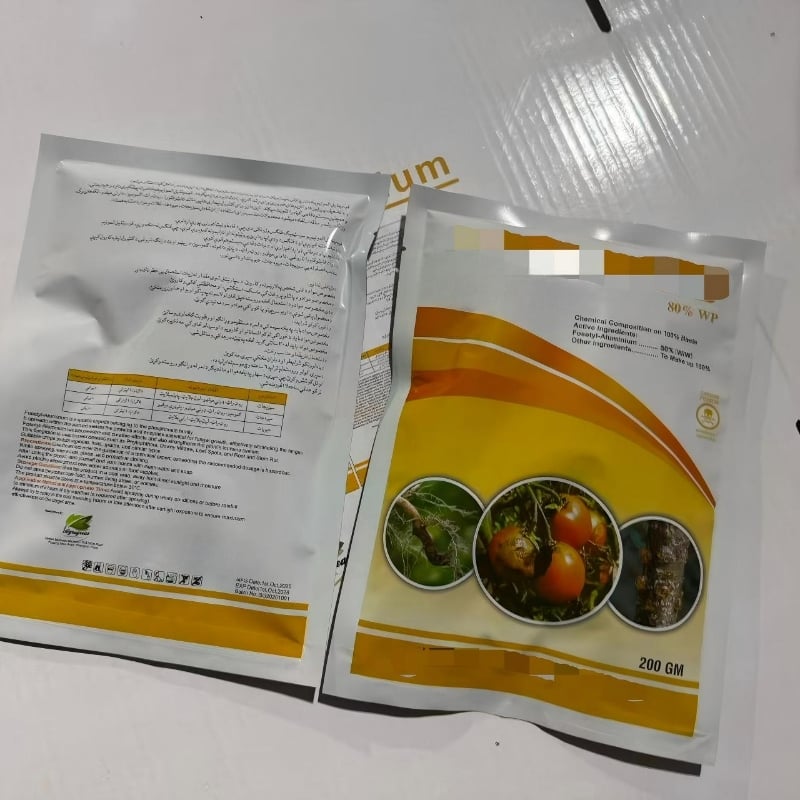
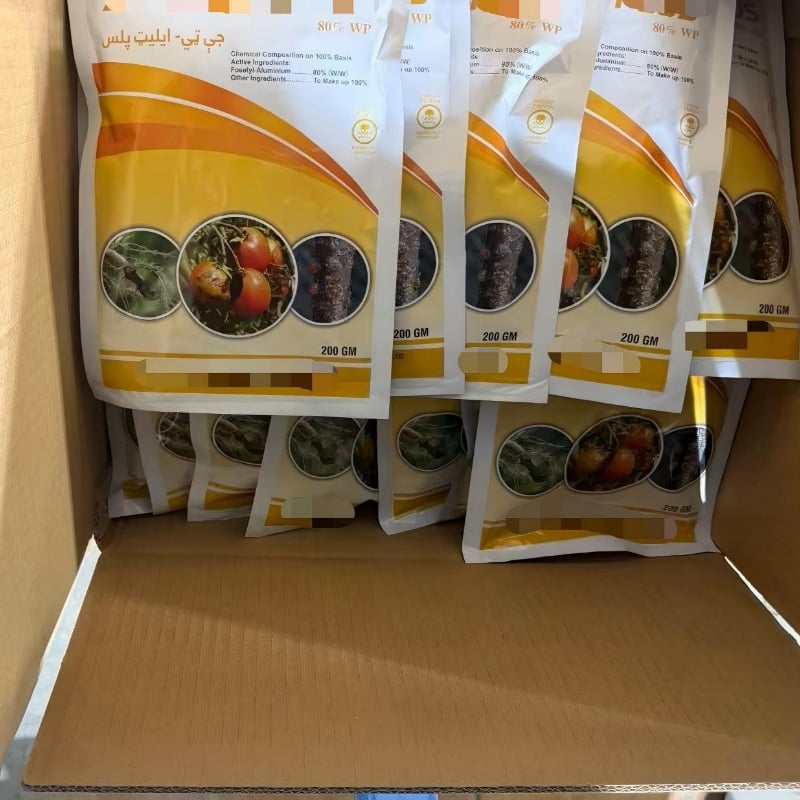
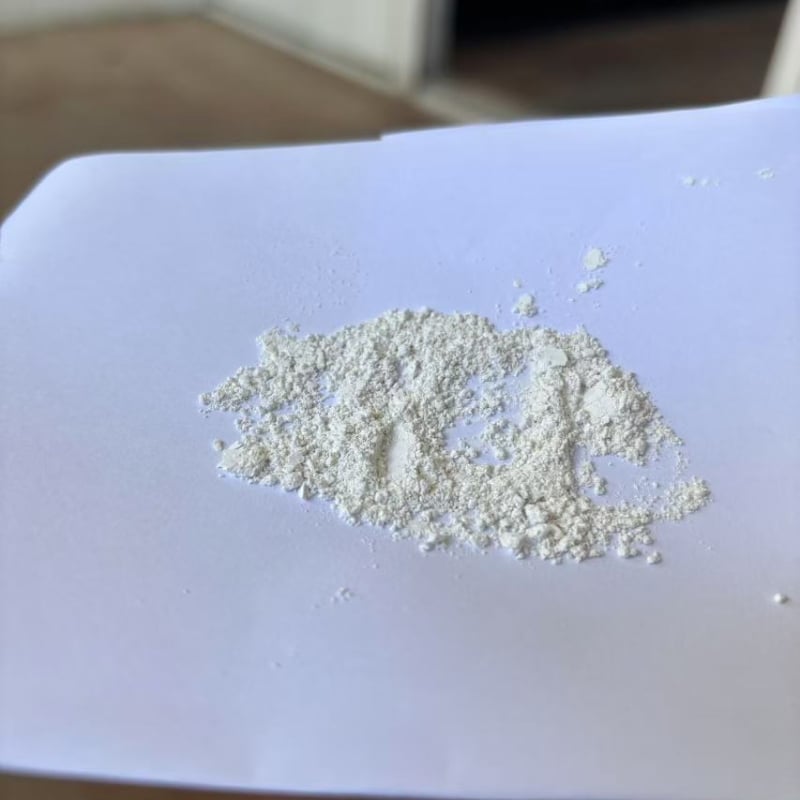
- Overview
- Recommended Products
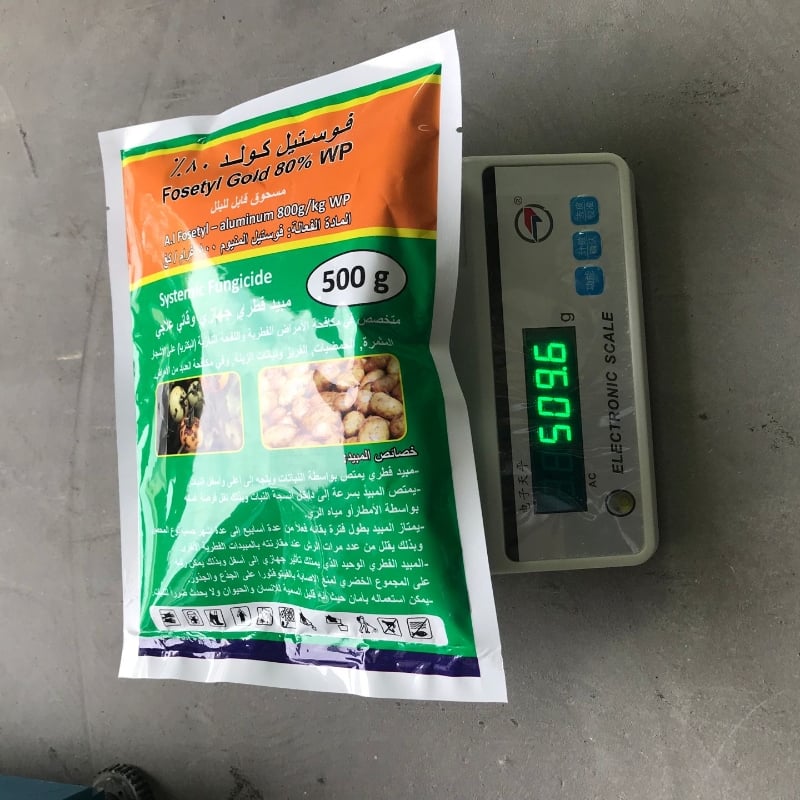
This product is an 80% fosetyl-aluminium wettable powder (WP) formulation, belonging to the phosphonate class of systemic fungicides. Fosetyl-aluminium is a true systemic fungicide that is rapidly absorbed through plant leaves and roots, with bidirectional translocation (both acropetal/upward and basipetal/downward) within the plant. It acts through a dual mode of action: direct inhibition of oomycete pathogens (limiting spore germination, mycelial growth, and sporulation) and, more importantly, induction and amplification of the plant's natural defense responses, including increased phytoalexin accumulation and enhanced expression of pathogenesis-related (PR) proteins. In planta, fosetyl-aluminium is converted to phosphite, which contributes to its antifungal activity. It exhibits both protective and curative (therapeutic) action.
Suitable for various crops such as cucumber, grape, potato, tomato, pepper, tobacco, cotton, rice, strawberry, apple, pear, citrus, rubber, black pepper, watermelon, ornamental plants, and turf. It is used to control a wide range of oomycete diseases including downy mildew, late blight, phytophthora blight, root rot, black shank, foot rot, and bacterial diseases such as fire blight. Please use according to the recommended dosage within the registered and approved areas.
Parameters
| Product Name | Fosetyl-aluminium 80% WP |
| Active ingredient | Fosetyl-aluminium |
| Active ingredient content | 80.0% |
| Formulation | WP, Wettable Powder |
| Product Category | Fungicide |
| Dinotefuran CAS No. | 39148-24-8 |
| Main Uses | Broad-spectrum systemic phosphonate fungicide with protective and curative action for control of a wide range of oomycete diseases in agricultural and horticultural crops |
| Targeted Pests and Diseases | Major diseases: Downy mildew (Plasmopara viticola, Pseudoperonospora cubensis, Peronospora destructor, Bremia lactucae), late blight (Phytophthora infestans), Phytophthora root rot and foot rot (Phytophthora spp.), Pythium damping-off and root rot (Pythium spp.), black shank (Phytophthora nicotianae), pepper blight (Phytophthora capsici), pineapple heart rot (Phytophthora nicotianae var. parasitica), citrus root rot and gummosis (Phytophthora citrophthora, P. parasitica), fire blight (Erwinia amylovora), bacterial blight, rice blast (Magnaporthe oryzae), rice sheath blight (Rhizoctonia solani), apple ring rot (Botryosphaeria dothidea), apple spot leaf fall (Alternaria mali), grape white rot (Coniella diplodiella), and rubber black stripe canker (Phytophthora palmivora). Acts by direct inhibition of spore germination, mycelial growth, and sporulation, as well as induction of host defense responses. |
| Minimum Order Quantity | 1000kg |
| Bulk packing | 25kg, 10kg, 5kg |
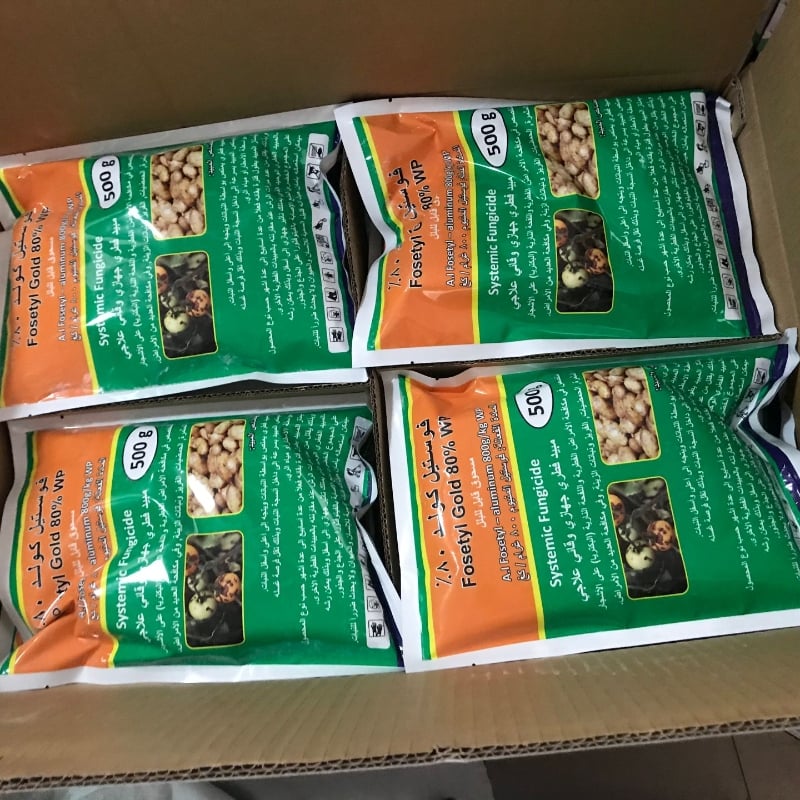
| Small packing | 1kg, 500g, 250g, 200g, 100g, 50g, 10g bag, 10kg/carton |
| Documentation Support | ICAMA, COA, MSDS, TDS, Product Specifications,Packaging Information,etc. |
| Sample Service | Free for 200g |
| Place of origin | China |
| Supplier | Agrogreat |
| Customized Services | bottle,label,bag, carton, logo Brand Customized |
Key Functions
Fosetyl-aluminium is an organic phosphonate systemic fungicide developed by Rhône-Poulenc (now part of Bayer CropScience) and first commercialized under the trade name Aliette. It is a highly selective fungicide with true systemic activity, rapidly absorbed through plant leaves or roots and translocated bidirectionally — both acropetally (upward through the xylem) and basipetally (downward through the phloem) — making it particularly suitable for the control of both root and foliar diseases. Fosetyl-aluminium belongs to the phosphonate family and is classified as FRAC Group P07 (Phosphonates) for fungicide resistance management purposes.
The mode of action of fosetyl-aluminium is unique and distinct from that of direct antimicrobial agents. Early research showed that fosetyl-aluminium possesses very little antifungal activity in vitro at concentrations achievable in planta (active in the plant at approximately 10 μg/mL, whereas direct fungal growth inhibition requires concentrations of 500 μg/mL or more). This led to the understanding that its primary mode of action is not direct fungicidal activity but rather the induction and amplification of the host plant's own defense responses. Specifically, fosetyl-aluminium treatment of normally susceptible plants results in stimulation of natural defense mechanisms, including increased accumulation of phytoalexins (antibiotic compounds) and enhanced expression of pathogenesis-related (PR) proteins, closely resembling the response seen in genetically resistant plants. It also strengthens cell wall architecture, conferring improved resistance to oomycete infection. This host-driven mode of action positions fosetyl-aluminium as a functional agent that supports host health and modulates disease progression, rather than as a rapid curative fungicide.
In addition to its indirect effects through plant defense induction, fosetyl-aluminium is rapidly converted in planta to phosphite (Phi), which contributes direct inhibitory activity against oomycete pathogens by limiting spore germination, mycelial growth, and sporulation, in part via disruption of pathogen energy metabolism. The phosphite metabolite competes with phosphate assimilation in the pathogen and inhibits key metabolic processes. This dual mechanism — direct inhibition via phosphite combined with indirect host defense enhancement — provides both protective and curative (therapeutic) action. Curative activity has been demonstrated when fosetyl-aluminium is applied within 48 hours of infection. Fosetyl-aluminium exhibits excellent activity against pathogens in the order Peronosporales and Pythiales, including Phytophthora, Plasmopara, Pseudoperonospora, Peronospora, Bremia, and Pythium species, and also shows activity against some bacterial diseases such as fire blight (Erwinia amylovora).
Fosetyl-aluminium is a low-toxicity fungicide (rat acute oral LD₅₀: 5,800 mg/kg) with no skin or eye irritation, and is safe to bees, fish, and wildlife. It has low potential for bioaccumulation (log Pow < 3) and minimal direct disturbance to soil microbial communities, with good compatibility with arbuscular mycorrhizal fungi and plant growth-promoting rhizobacteria. The wettable powder (WP) formulation disperses readily in water and is suitable for conventional foliar spray application as well as soil drench application. Because fosetyl-aluminium has a unique mode of action involving host defense induction, the risk of resistance development is considered medium, and it should be used in rotation or tank-mix with fungicides from different FRAC groups as part of an integrated disease management and resistance management program. In IPM frameworks, fosetyl-aluminium is best positioned as a foundational tool that supports host health and modulates disease progression, acting synergistically with fast-acting chemicals, biological control agents, and agronomic practices.
Key Benefits
1. Broad-spectrum control of oomycete diseases: Highly effective against a wide range of oomycete pathogens including Phytophthora, Plasmopara, Pseudoperonospora, Peronospora, Bremia, and Pythium species, controlling downy mildew, late blight, phytophthora blight, root rot, black shank, foot rot, and other devastating diseases across diverse crops.
2. True systemic activity with bidirectional translocation: Rapidly absorbed through plant leaves or roots and translocated both upward (acropetal) and downward (basipetal) within the plant, ensuring protection of new growth, root systems, and hard-to-reach plant parts.
3. Dual mode of action — direct inhibition + host defense induction: Combines direct inhibitory activity of the phosphite metabolite against oomycete spore germination, mycelial growth, and sporulation with induction of the plant's natural defense responses, including phytoalexin accumulation and PR protein expression, providing both protective and curative activity.
4. Unique FRAC Group P07 (Phosphonates): Belongs to a distinct chemical group with a mode of action different from other fungicide classes, making it an ideal rotation partner for resistance management programs. No cross-resistance with phenylamides (FRAC Group 4) or QoI fungicides (FRAC Group 11).
5. Wide range of application: Suitable for cucumber, grape, potato, tomato, pepper, tobacco, cotton, rice, strawberry, apple, pear, citrus, rubber, black pepper, watermelon, ornamental plants, turf, and many other crops.
6. Curative activity if applied early: Demonstrated curative (therapeutic) activity when applied within 48 hours of infection, allowing flexible application timing in disease management programs.
7. Low toxicity and favorable environmental profile: Low mammalian toxicity (rat acute oral LD₅₀: 5,800 mg/kg), no skin or eye irritation, safe to bees and wildlife, low bioaccumulation potential (log Pow < 3), and minimal direct disturbance to soil microbial communities with good compatibility with beneficial soil organisms.
8. Wettable powder (WP) formulation: Disperses readily in water, easy to measure and mix, with good stability and suitable for conventional foliar spray application as well as soil drench application.
9. Compatible with Integrated Pest Management (IPM) programs: When used as part of an integrated disease management strategy with rotation and tank-mix partners from different FRAC groups, this product provides a reliable, ecologically compatible tool for sustainable crop protection.
●The actual applicable crops and control spectrum shall strictly comply with the provisions of the locally registered label.
●The actual use instructions, crop range, diseases, application rates, and conditions of use are subject to the label.
●Do not apply to crops or diseases not specified on the local label.
| Applicable Crops | Targeted Diseases/Pests |
| Cucumber / Melons | Downy mildew (Pseudoperonospora cubensis) |
| Grape | Downy mildew (Plasmopara viticola), white rot (Coniella diplodiella) |
| Potato | Late blight (Phytophthora infestans) |
| Tomato | Late blight, early blight (Alternaria solani), foot rot |
| Pepper / Chilli | Phytophthora blight (Phytophthora capsici), downy mildew |
| Tobacco | Black shank (Phytophthora nicotianae) |