EN
EN




- Overview
- Recommended Products
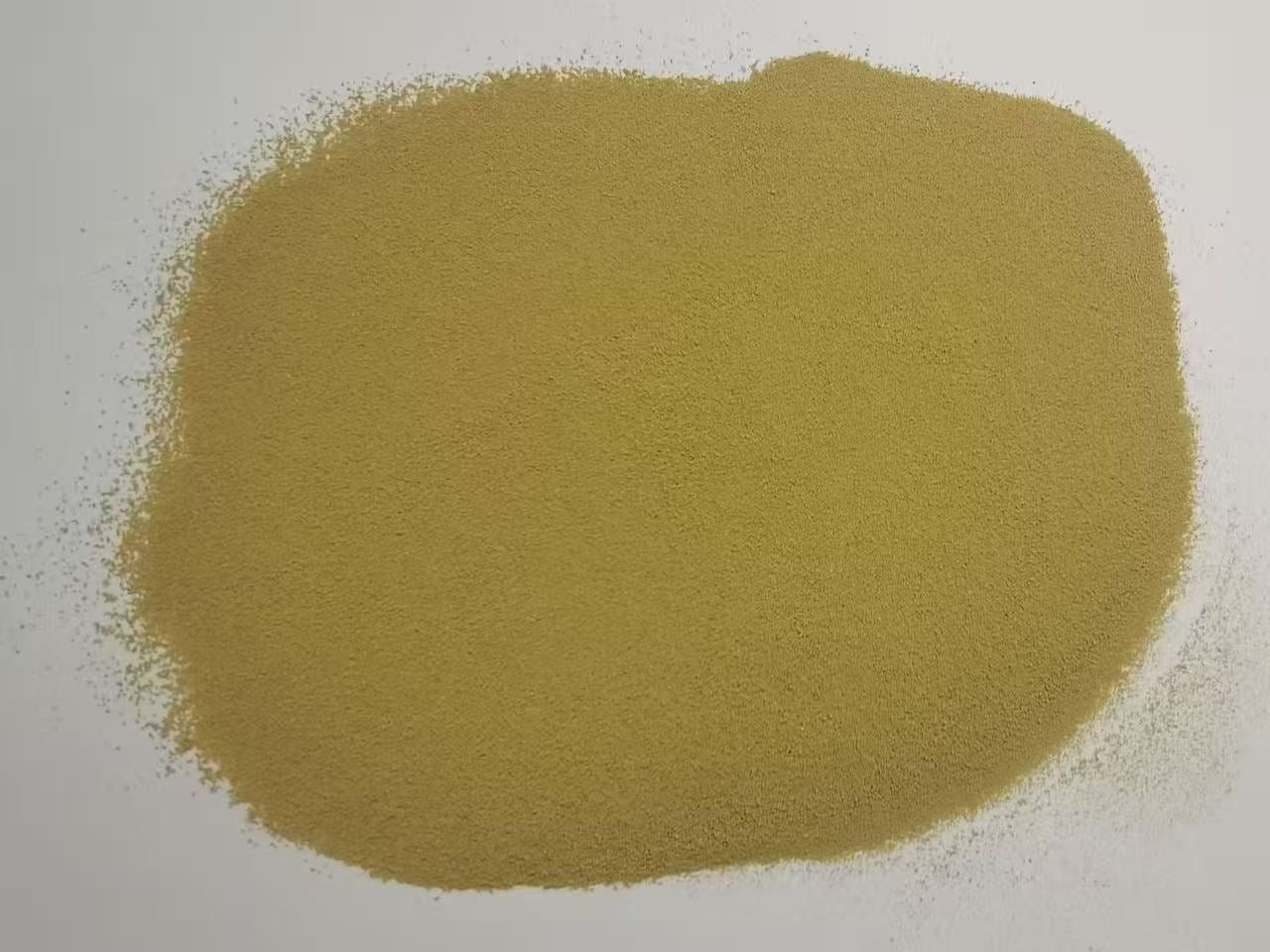
This product is a 64% mancozeb + 4% metalaxyl-M water-dispersible granule (WDG) formulation, belonging to a combined protective and systemic fungicide. Mancozeb is a multi-site contact fungicide that inhibits pyruvate oxidation in fungal metabolism through metal ion action, with six action sites, making resistance development extremely difficult. Metalaxyl-M is the highly active R-enantiomer of metalaxyl, a systemic fungicide that inhibits ribosomal RNA synthesis in oomycete pathogens. The combination provides both contact protection on the plant surface and systemic therapeutic action within plant tissues.
Suitable for various crops such as potatoes, tomatoes, cucumbers, peppers, grapes, tobacco, yam, bayberry, and Dendrobium officinale. It is used to control a wide range of oomycete diseases including late blight, downy mildew, black shank, phytophthora blight, and brown spot. Please use according to the recommended dosage within the registered and approved areas.
Parameters
| Product Name | Mancozeb 64% + Metalaxyl-M 4% WDG |
| Active ingredient | Mancozeb + Metalaxyl-M |
| Active ingredient content | 64% +4% |
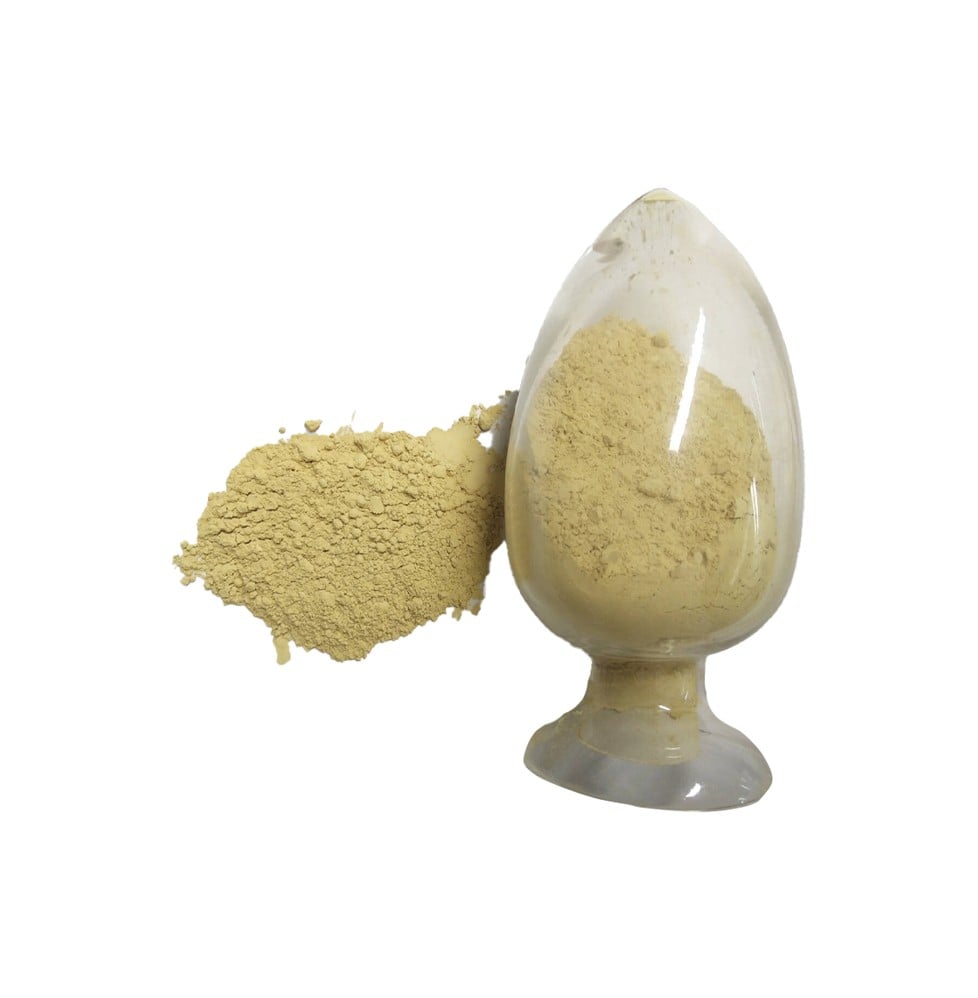
| Formulation | WDG, Water Dispersible Granule |
| Product Category | Fungicide |
| Mancozeb CAS No. | 2234-56-2 |
| Metalaxyl-M CAS No. | 70630-17-0 |
| Main Uses | Broad-spectrum combined protective and systemic fungicide with contact and systemic action for control of oomycete diseases in agricultural and horticultural crops |
| Targeted Pests and Diseases | Major diseases: Late blight (Phytophthora infestans), downy mildew (Plasmopara viticola, Pseudoperonospora cubensis), black shank (Phytophthora nicotianae), phytophthora blight (Phytophthora spp.), brown spot (Mycosphaerella myricae), litchi downy blight (Peronophythora litchii). Mancozeb acts as a multi-site contact protectant, while metalaxyl-M provides systemic therapeutic action against oomycete pathogens including Phytophthora, Plasmopara, Pseudoperonospora, Pythium, and Peronophythora species. |
| Minimum Order Quantity | 1000kg |
| Bulk packing | 25kg, 10kg, 5kg |
| Small packing | 1kg, 500g, 250g, 200g, 100g, 50g, 10g bag, 10kg/carton |
| Documentation Support | ICAMA, COA, MSDS, TDS, Product Specifications,Packaging Information,etc. |
| Sample Service | Free for 200g |
| Place of origin | China |
| Supplier | Agrogreat |
| Customized Services | bottle,label,bag, carton, logo Brand Customized |
Key Functions
Mancozeb is a broad-spectrum, multi-site protective fungicide belonging to the dithiocarbamate class. It was first developed by Rohm and Haas in 1961 and has been used globally for over 60 years. Mancozeb itself is not directly fungicidal; it degrades in water or air to form ethylene bis-isothiocyanate sulfide (EBIS), which further converts to ethylene bis-isothiocyanate (EBI) under ultraviolet light — these are the actual fungicidal active compounds. Mancozeb acts through metal ions (Mn²⁺and Zn²⁺), inhibiting pyruvate oxidation in fungal metabolic processes, thereby disrupting energy production and causing fungal death. Crucially, this inhibition process involves six action sites, which makes it extremely difficult for pathogens to develop genetic resistance. Mancozeb is classified by FRAC as a multi-site contact fungicide (M03 group). It has strong adhesive properties and good rainfastness, providing long-lasting protection on treated surfaces. The manganese and zinc ions in mancozeb also have micronutrient benefits, promoting crop vigor and yield. Mancozeb is non-systemic and acts only on contact with fungal spores and germ tubes on the plant surface, preventing spore germination and infection.
Metalaxyl-M, also known as mefenoxam or the R-enantiomer of metalaxyl, is a systemic fungicide belonging to the phenylamide class (FRAC Group 4). It is the highly active R-isomer of metalaxyl, exhibiting fungicidal activity approximately twice that of the racemic mixture. Metalaxyl-M is absorbed rapidly by plant leaves, stems, and roots, and translocates acropetally through the xylem to all plant organs. Its primary mechanism of action is inhibition of ribosomal RNA synthesis in oomycete pathogens. Specifically, metalaxyl-M inhibits RNA polymerase I activity, blocking the synthesis of ribosomal RNA (rRNA), which is essential for protein production and fungal growth. This disrupts the production of essential fungal proteins, preventing mycelial growth and spore formation. Metalaxyl-M provides both protective and curative (therapeutic) action — it can kill fungi that have already penetrated plant tissues. It is highly effective against pathogens in the order Peronosporales and Pythiales, including Phytophthora, Plasmopara, Pseudoperonospora, Pythium, and Peronophythora species. However, because metalaxyl-M acts on a single specific target site (RNA polymerase I), repeated sole use can rapidly lead to resistance development in pathogen populations. Therefore, it must always be combined with a multi-site protective fungicide such as mancozeb.
The combination of mancozeb and metalaxyl-M provides complementary modes of action: mancozeb delivers multi-site contact protection on the plant surface with low resistance risk, while metalaxyl-M provides systemic therapeutic action inside plant tissues against oomycete pathogens. This dual-action approach effectively delays resistance development, reduces the required amount of active ingredient, and provides both preventive and curative disease control. The WDG (water-dispersible granule) formulation disperses readily in water, is easy to measure and mix, produces minimal dust, and offers good stability and storage safety compared to wettable powders.
Key Benefits
1. Dual mode of action — protective + curative: Combines the multi-site contact protective activity of mancozeb with the systemic therapeutic activity of metalaxyl-M, providing both preventive protection on the plant surface and curative action against pathogens that have already penetrated plant tissues.
2. Broad-spectrum control of oomycete diseases: Highly effective against a wide range of oomycete pathogens including Phytophthora, Plasmopara, Pseudoperonospora, Pythium, and Peronophythora species, controlling late blight, downy mildew, black shank, phytophthora blight, brown spot, litchi downy blight, and other devastating diseases.
3. Wide range of application: Suitable for potatoes, tomatoes, cucumbers, peppers, grapes, tobacco, yam, bayberry, Dendrobium officinale, litchi, and many other agricultural and horticultural crops.
4. Excellent resistance management: Mancozeb's six-site mode of action combined with metalaxyl-M's single-site activity provides a robust resistance management tool. The multi-site component effectively delays the development of resistance to the systemic component, making this combination ideal for Insect Resistance Management (IRM) / Fungicide Resistance Management programs.
5. Rapid systemic uptake and distribution: Metalaxyl-M is rapidly absorbed by plant leaves, stems, and roots, and translocates throughout the plant via the xylem, ensuring protection of new growth and hard-to-reach plant parts.
6. Good rainfastness and residual activity: Mancozeb has strong adhesive properties, providing excellent rainfastness and long-lasting residual protection on treated surfaces, reducing the need for frequent re-application.
7. Micronutrient benefits: The manganese and zinc ions in mancozeb provide additional micronutrient benefits, promoting crop vigor, chlorophyll synthesis, and overall plant health and yield.
8. Water-dispersible granule (WDG) formulation: Disperses readily in water without dust problems associated with wettable powders, easy to measure and mix, with good stability, storage safety, and user convenience. Suitable for conventional foliar spray application.
9. Compatible with Integrated Pest Management (IPM) programs: When used as directed, this product can be integrated into IPM programs with appropriate rotation and tank-mix strategies to manage disease pressure while minimizing environmental impact.
●The actual applicable crops and control spectrum shall strictly comply with the provisions of the locally registered label.
●The actual use instructions, crop range, diseases, application rates, and conditions of use are subject to the label.
●Do not apply to crops or diseases not specified on the local label.
| Applicable Crops | Targeted Diseases/Pests |
| Potato | Late blight (Phytophthora infestans) |
| Cucumber / Melons | Downy mildew (Pseudoperonospora cubensis) |
| Pepper / Chilli | Phytophthora blight, downy mildew |
| Tomato | Late blight, early blight |
| Grape | Downy mildew (Plasmopara viticola) |
| Tobacco | Black shank (Phytophthora nicotianae) |