
 EN
EN




AGROGREAT GROUP Completes Special Market Research on Egypt's Agrochemical Sector, Solidifies Foundation for North African Expansion
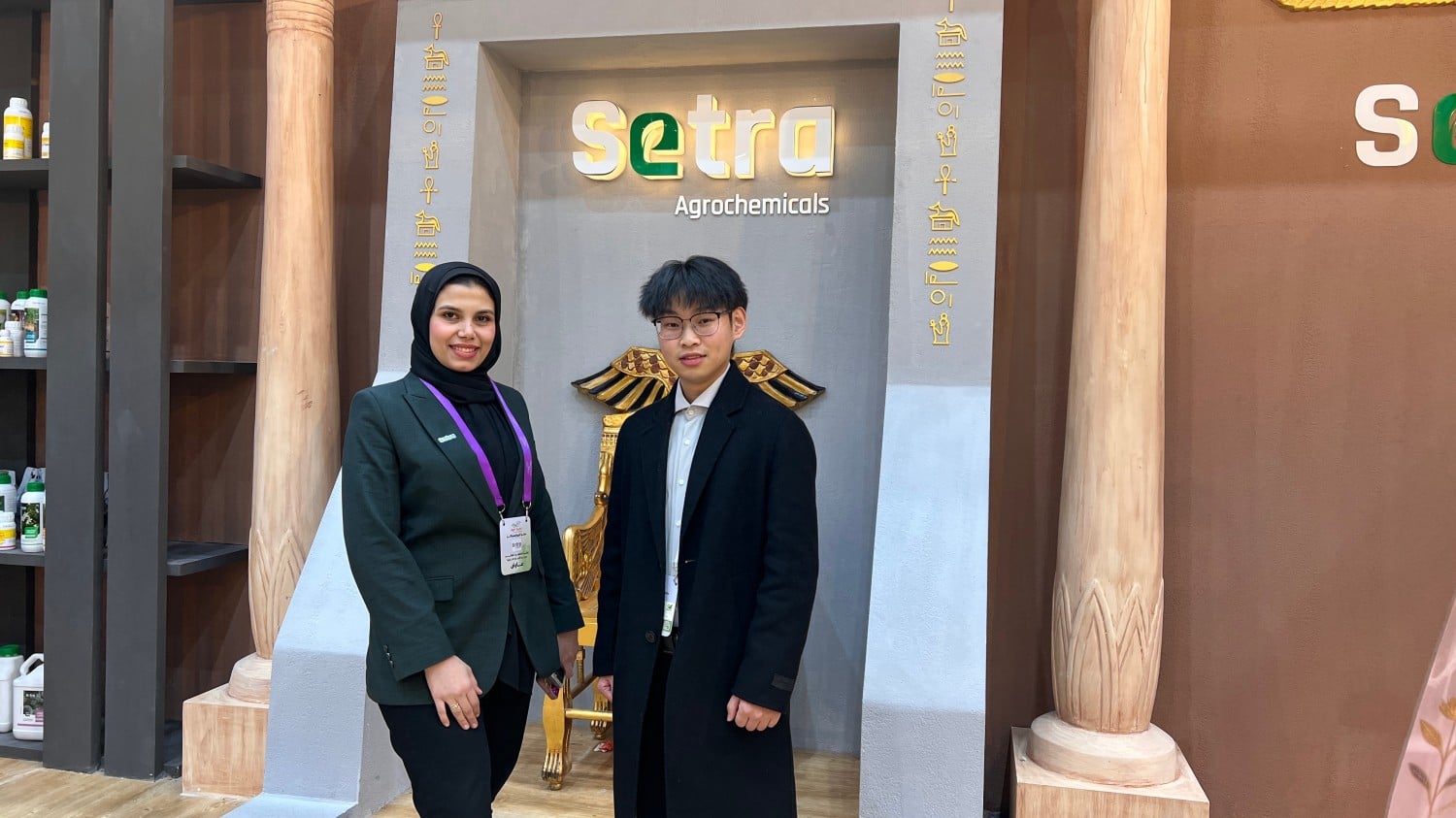
From January 15 to 22, 2026, Kevin and Lynn, supervisors of the international market team at AGROGREAT GROUP, travelled to Egypt. In addition to attending the Agri Expo 2026 exhibition, they devoted the majority of their efforts to a dedicated market research mission on the local agrochemical sector. The research covered multiple core agricultural provinces across Egypt, and the team cumulatively visited nearly 20 entities of various types, including agrochemical importers, regional wholesalers, retail outlets, and farming operations. The objective was to provide field‑based evidence for AGROGREAT GROUP’s product registration, formulation optimisation, and cooperation models in the North African and Middle Eastern markets.
Research Background and Regional Selection
In recent years, the Egyptian government has made sustained investments in agricultural modernisation, leading to a steady rise in demand for high‑end agrochemical products. However, imported products still exhibit notable shortcomings in resistance management, high‑temperature stability, and application guidance. AGROGREAT GROUP had previously identified the potential of this market, and this research mission was designed to gain a clear understanding of actual demand and the competitive landscape.
Field Visits and Current Crop Protection Practices
Lynn and Kevin travelled to agriculturally intensive regions and conducted on‑site observations of the growing conditions of major crops in various areas. The team entered multiple farm fields, engaged in direct conversations with growers, and recorded the dominant local weed species as well as common pests and diseases. Numerous farmers reported that currently available herbicides are not sufficiently effective against grassy weeds; the mixed weed spectrum makes it difficult for single‑active‑ingredient products to address all species, forcing farmers to mix different products themselves, which carries risks of phytotoxicity and increases costs. Farmers have generally increased application frequencies, leading to rising control expenditures year by year, while also posing potential hazards to the environment and crop safety.
In addition, the team noted that local irrigation water tends to have relatively high hardness, and that some farmers use ageing spraying equipment with severely worn nozzles, resulting in uneven atomisation and product wastage. This finding has direct reference value for AGROGREAT GROUP’s subsequent selection of adjuvants and dilution rate recommendations for its products.
Distribution Network and Supply Chain
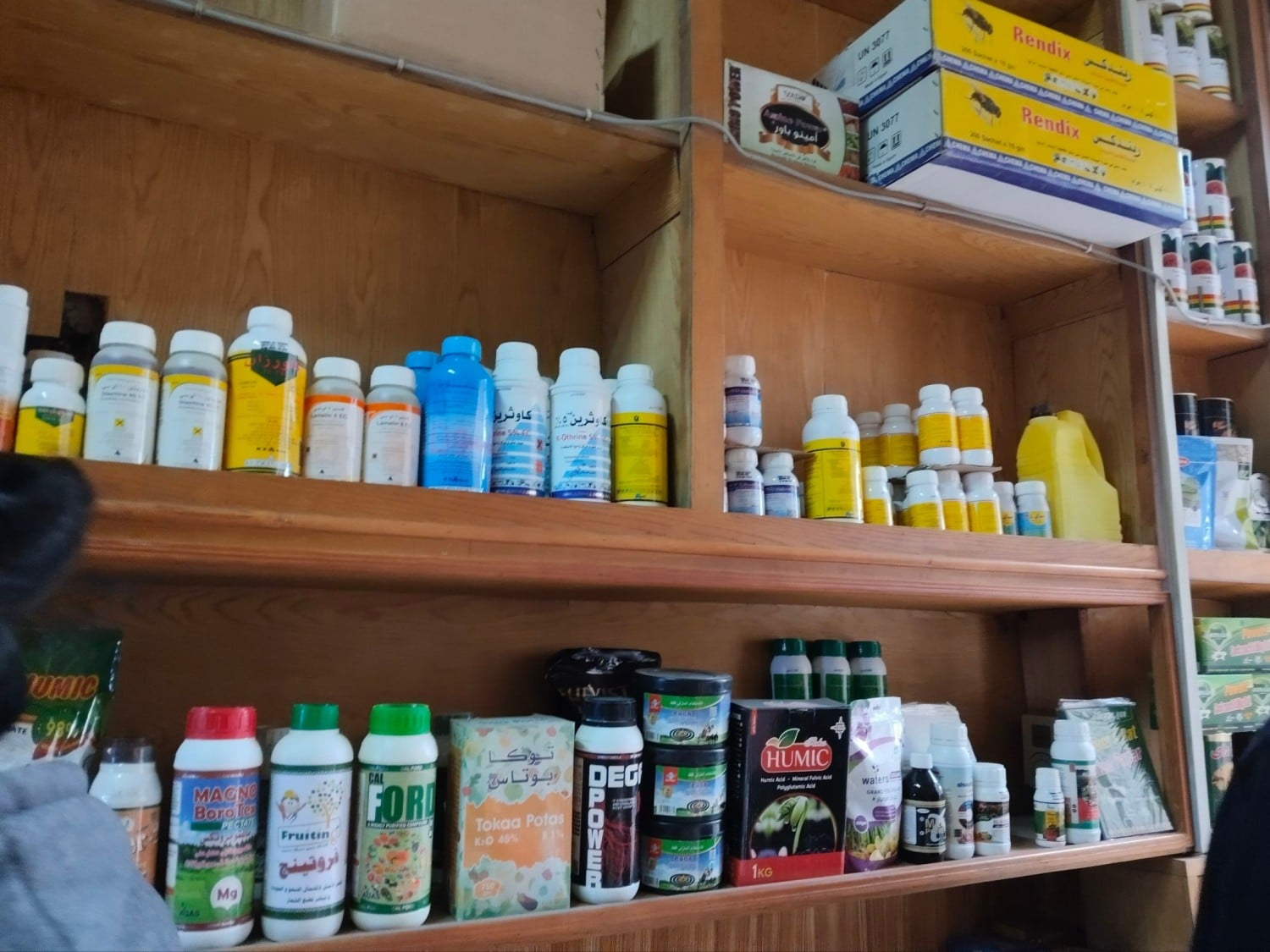
On the distribution side, Lynn and Kevin visited three agrochemical wholesale markets in the surrounding areas and two warehousing enterprises, and held face‑to‑face discussions with six importers. The research showed that Egypt’s agrochemical import channel is relatively concentrated, dominated by a small number of large companies holding import licences, which then distribute through regional wholesalers to village‑level retail outlets, resulting in a relatively fragmented end‑user purchasing channel. The time from port arrival to final delivery is considerable, and storage conditions vary significantly across intermediate stages; many wholesalers use simple corrugated‑iron warehouses, where internal temperatures during summer can become excessively high, posing a challenge to product stability.
Customer Needs and Cooperation Opportunities
Several importers indicated that the Egyptian market shows growing demand for high‑quality, high‑content, low‑dosage concentrated formulations, and that clear product gaps exist especially in herbicides, insecticides, and fungicides. Two importers proactively inquired whether AGROGREAT GROUP has compound solutions targeting glyphosate‑resistant weeds, and expressed interest in obtaining small‑batch samples for field comparative trials. In addition, operators of large farms raised the need for suppliers to provide on‑site technical follow‑up visits and application adjustment recommendations at least twice per season. This aligns with the trend observed during AGROGREAT GROUP’s previous research in Zambia, further validating the applicability of the “product plus application support” model in the North African market.
Lynn, on behalf of the company, introduced to clients the progress of AGROGREAT GROUP’s product registrations in several African countries, as well as the heat‑resistant packaging and stabilisation formulation technologies developed for hot and arid climates. Kevin, in turn, recorded in detail each client’s formulation preferences, packaging size requirements, and intended procurement volumes. After initial screening, four partners with sound credentials and strong distribution networks were identified for priority follow‑up.
Research Findings and Follow‑up Actions
This research mission resulted in the collection of 21 valid interview records, over 150 field and warehouse photographic records, and a compiled reference table of application windows and common dosage rates for Egypt’s major crops. The team has signed letters of intent for field trial cooperation with three importers, planning to conduct side‑by‑side comparative trials of compound herbicides and novel fungicides during the 2026 spring planting season. AGROGREAT GROUP’s domestic technical centre will, based on the research feedback, prioritise adjustments to adjuvant systems and heat‑resistant packaging designs for the Egyptian market, and will initiate the preparation of registration application dossiers for the relevant products in Egypt.
The genuine feedback from frontline farmers and the willingness to cooperate expressed by distributors have given AGROGREAT GROUP a clearer direction for its product strategy in the North African market. The company will use Egypt as a springboard to gradually expand into neighbouring markets, continue to deepen its localised service capabilities, and provide more competitive agrochemical supply chain support to its global B2B partners.