
 EN
EN




AGROGREAT GROUP Deepens Its Engagement in the African Market and Successfully Concludes Its Market Research Mission in Zambia
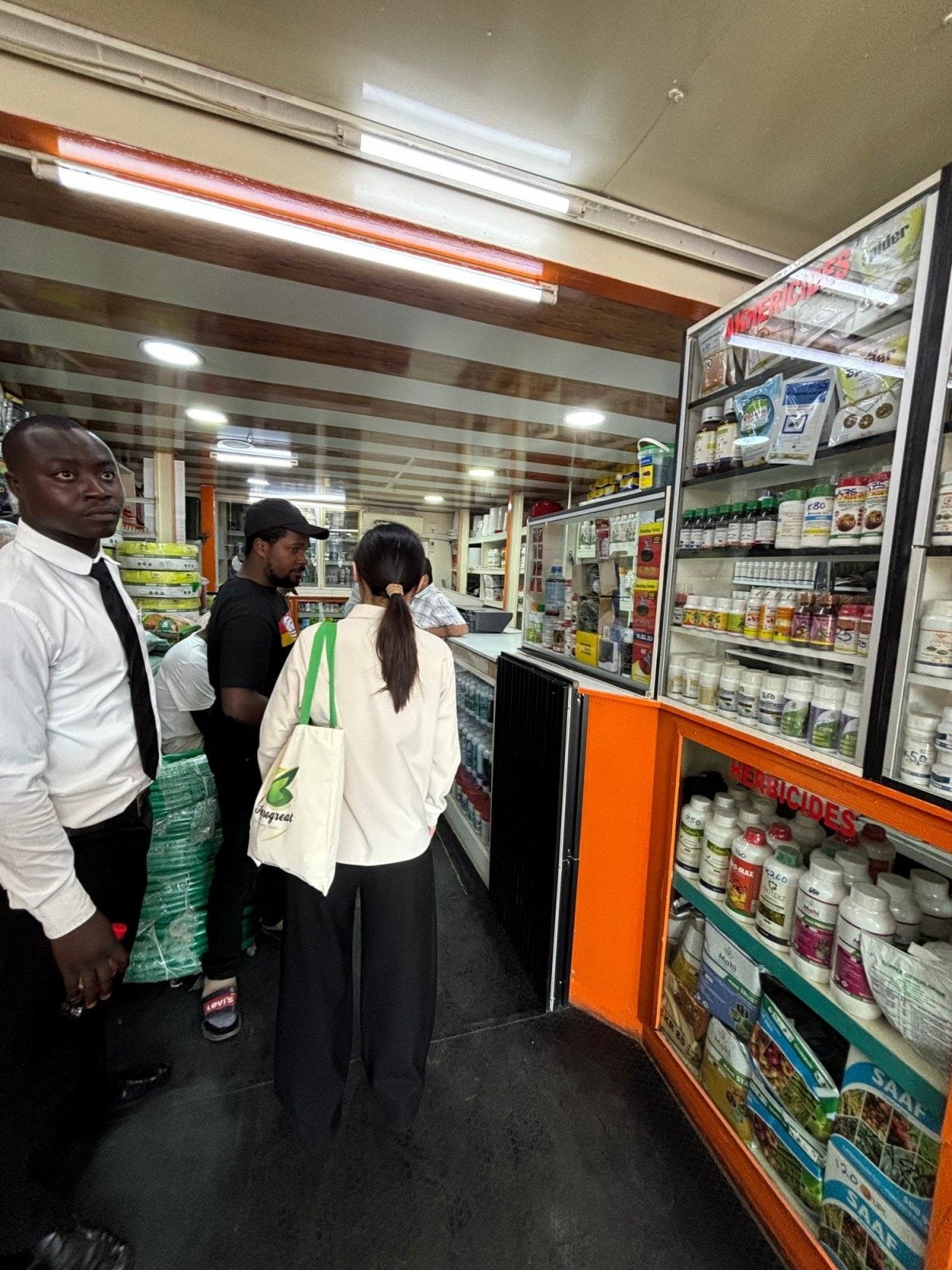
From June 27 to 30, 2026, Lisa, who serves as the Director of the international market team of AGROGREAT GROUP, together with Supervisor Viya, undertook a four-day market research mission in the Republic of Zambia. Over the course of this mission, the team cumulatively visited seven local importers of agrochemical products, five farms of varying operational scales, and also conducted three rounds of intensive exchanges with local agricultural extension and technical advisory personnel. The research efforts were primarily concentrated on evaluating the end-use effectiveness of the agrochemical products currently available in the local market, analysing the structure and functioning of the distribution chain, and assessing the storage conditions that prevail throughout the supply chain. The overarching aim was to obtain reliable, field-derived data that could serve as a solid basis for AGROGREAT GROUP's future decisions concerning product registration, formulation selection, and packaging design tailored for the African market. This mission accordingly represents an essential and critical step in the company's broader strategic plan to advance its regional footprint across the African continent.
As a B2B global wholesale partner that specialises exclusively in high-end agrochemical products, AGROGREAT GROUP deliberately directed the central focus of this research towards the actual conditions found in farm fields and in storage warehouses. The team carried out in-depth visits to multiple agricultural zones spread across Zambia, placing special emphasis on examining the cropping structures of the various major crops cultivated in these areas. They systematically recorded the dominant species of weeds present, the patterns of pest and disease incidence, and the pesticide application practices that local farmers currently employ. One significant finding that emerged from this investigation was that in certain regions, weeds have already developed a pronounced level of resistance to conventional herbicide products. In an effort to counteract this resistance, farmers have resorted to increasing the application dosages; however, this approach has not only proved to be largely ineffective in controlling the weeds but has also led to a substantial increase in overall production costs. In parallel with these field observations, the team measured the temperature and humidity levels at six warehouses that represent different tiers within the storage and distribution network. The data collected confirmed that these environmental parameters do exert a tangible and measurable influence on product stability, and this issue is directly relevant to the necessary adaptation of packaging seals and adjuvant systems to the specific local climatic and logistical conditions.
During the course of the research period, the AGROGREAT GROUP team held formal meetings with the seven local agrochemical importers, as well as with several large-scale commercial farming operations and the agricultural technology extension agencies. By carrying out on-site field inspections and conducting structured, face-to-face interviews with various stakeholders, the team successfully gathered first-hand intelligence regarding local preferences with respect to pesticide formulations. The findings indicated that commercial farms tend to favour high-concentration liquid concentrates, because such formulations help to reduce the transport cost calculated on a per-tonne-kilometre basis. In contrast, smallholder farmers, who typically operate on smaller land areas, display a clear preference for smaller packaging sizes that are more affordable and easier to handle. In addition, the local distribution chain was observed to generally follow a three-tier structure, comprising importers at the top level, regional wholesalers in the intermediate tier, and village-level retail outlets at the bottom. The price differentials observed between these tiers are predominantly attributable to transport expenses and to the financing costs associated with the capital tied up in inventory throughout the supply chain.
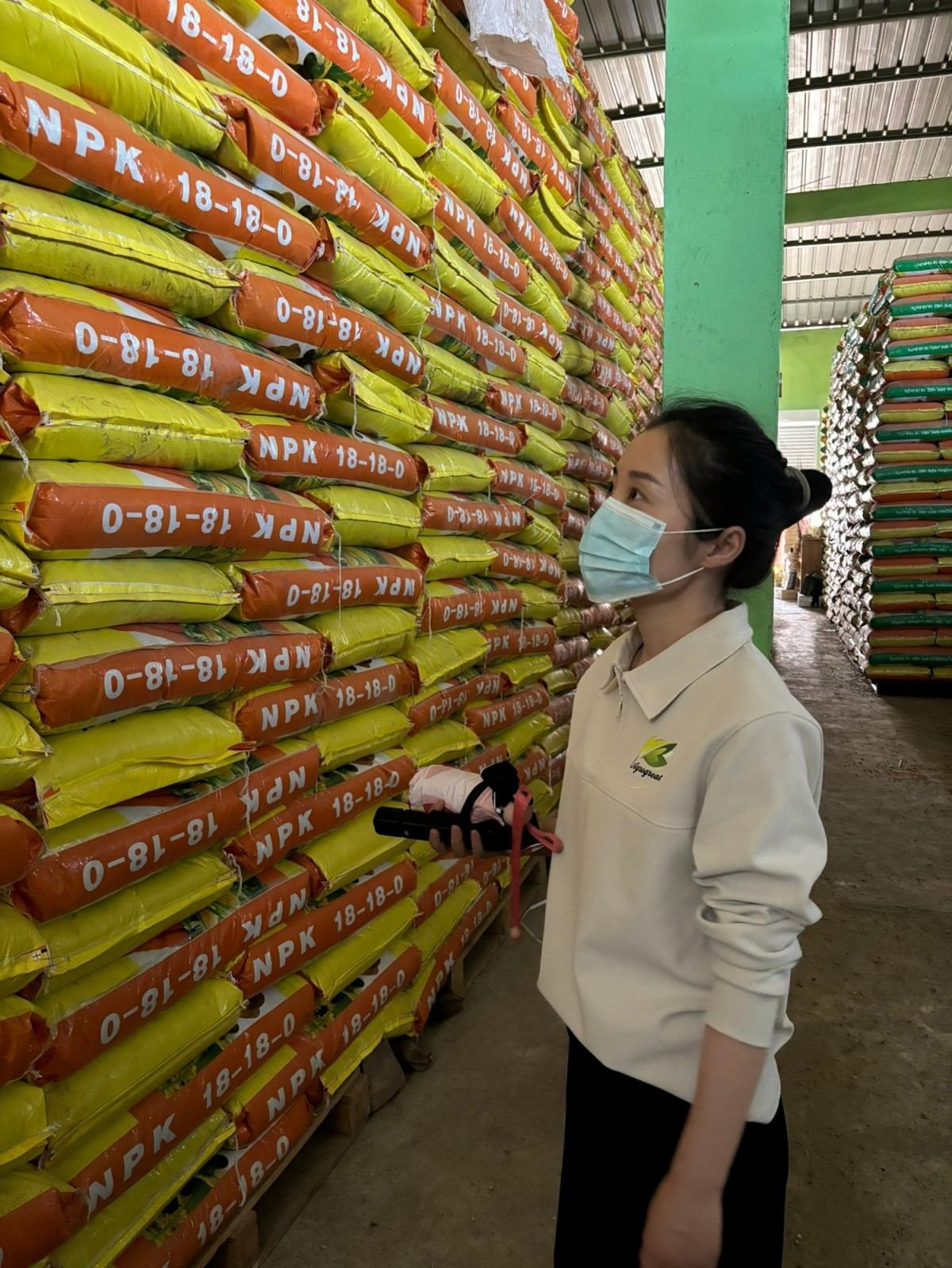
Zambian agriculture is currently in the midst of an accelerated transformation, moving away from traditional subsistence farming practices and towards more commercially oriented production systems. Despite this positive trend, the existing agrochemical offerings that are presently available on the Zambian market still reveal considerable gaps, especially in two crucial areas: the effective management of herbicide-resistant weeds, and the maintenance of product stability under high-temperature storage conditions. The competitive strength of AGROGREAT GROUP does not rest upon engaging in low-price rivalry; rather, it lies in the company's capability to customise both formulations and packaging in accordance with the actual conditions encountered in the field and along the supply chain. Through this research, the team has clearly identified two priority directions that require immediate attention. The first priority is to develop compound formulation strategies that are specifically designed to tackle resistant weed populations, and concurrently to transform the existing powder-type products into suspension concentrate formulations that are better adapted to the local water quality characteristics and to the types of spraying equipment that are commonly used by farmers. The second priority is to upgrade the packaging materials—for example, by incorporating additional barrier layers and by selecting bottle materials that possess higher heat resistance—so that the products can withstand the elevated temperatures frequently experienced during long-distance transportation. In parallel with these formulation and packaging improvements, the product instruction manuals and labels should be redesigned from plain English text into a visually enhanced format that effectively integrates both graphical illustrations and concise textual explanations, thereby making the information more accessible to users with varying literacy levels. Moreover, the demand for on-farm technical advisory services from large commercial farms has proved to be substantially stronger than had been initially anticipated. This finding provides a concrete and practical foundation for AGROGREAT GROUP to build and implement a distinctive "product plus application support" cooperation model in the African market.
Building upon the insights and data obtained from this research mission, AGROGREAT GROUP will accelerate the procedures for product registration in African markets, and will simultaneously proceed with the optimisation of heat-resistant packaging designs and the visualisation of instruction formats. As specific follow-up actions, the company intends to sign letters of intent for field comparative trials with locally registered importers, and has scheduled the conduct of side-by-side efficacy comparisons of three of its products—namely, a compound herbicide, a broad-spectrum fungicide, and an insecticide—against competing local products during the second half of 2026. Through these initiatives, AGROGREAT GROUP aims to ensure that its high-end agrochemical products are precisely and effectively adapted to local agricultural conditions and to the practical realities of the supply chain, thereby delivering more actionable and locally relevant support to its global B2B partners.
AGROGREAT GROUP remains unwavering in its commitment to becoming a trusted leader in the global agrochemical industry, and to contributing Chinese expertise and innovative solutions to the shared mission of safeguarding world food security.